
Blog
Buy Clomid at Low Price in the United States Online

- Home/
- Buy Clomid at Low Price in the United States Online
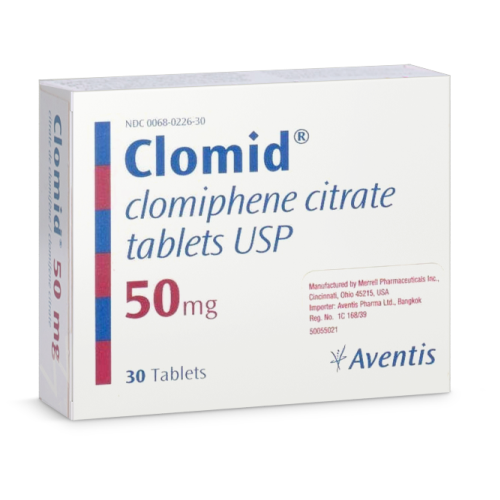
Clomid (Clomiphene) in the United States: The Essential Patient Guide [2026]
Clomid Prescription Requirements in the United States
Clomid (clomiphene citrate) is a prescription-only medication in the United States. It is illegal and unsafe to obtain Clomid without a valid prescription from a licensed healthcare provider. U.S. pharmacies—both in-person and legitimate online platforms—will require a doctor’s prescription for Clomid, as enforced by the Food and Drug Administration (FDA).
Summary: Fast Facts About Clomid
| Active Ingredient | Clomiphene citrate |
| Primary Use | Treatment of certain types of female infertility (especially ovulatory dysfunction) |
| Prescription Status | Prescription only (Rx), per FDA regulation |
| Common Starting Dose | 50 mg once daily for 5 days, starting on day 3, 4, or 5 of the menstrual cycle |
| Main Contraindication | Pregnancy, liver disease, ovarian cysts not due to polycystic ovary syndrome (PCOS), uncontrolled thyroid/adrenal dysfunction |
| Insurance Coverage | Varies; some U.S. insurance plans cover Clomid for infertility diagnosis, others do not |
| Legal Online Sale? | Yes, but only through U.S.-licensed, prescription-only pharmacies |
For fast answers, see our FAQ section or jump to obtaining Clomid legally in the United States.
How Does Clomid Work? Understanding Its Mechanism
Clomid contains clomiphene citrate, a selective estrogen receptor modulator (SERM). It works by binding to estrogen receptors in the hypothalamus—the brain region that controls hormone production. By blocking estrogen’s normal feedback, Clomid “tricks” the brain into thinking estrogen levels are low. This causes the release of gonadotropin-releasing hormone (GnRH), which in turn signals the pituitary gland to produce more follicle-stimulating hormone (FSH) and luteinizing hormone (LH). These hormones stimulate the ovaries to develop and release eggs (ovulation).
Simplified Metaphor: Imagine the thermostat in your house. If it thinks the room is too cold (low estrogen), it tells the heater (your ovaries) to turn up the heat (produce and release eggs).
Myth vs Reality:
Myth: Clomid always guarantees pregnancy.
Reality: Clomid increases the chance of ovulation, but multiple factors (age, sperm health, uterine anatomy) affect pregnancy outcomes.
Key Point: Clomid is effective only in women with certain types of ovulatory dysfunction and will not help in infertility due to blocked fallopian tubes, severe male factor infertility, or anatomical uterine problems. Always ask your fertility specialist if Clomid is right for your individual situation.
How to Take Clomid Safely: Dosage and Administration
- Standard Dosage:
- Usually 50 mg by mouth once daily for 5 days, starting on day 3, 4, or 5 of the menstrual cycle. Some patients may start at 25 mg or increase to 100 mg based on response and tolerability.
- Duration:
- If ovulation does not occur, the regimen can be repeated with higher doses (incrementally, under supervision) up to a maximum of three cycles. Never exceed 100 mg per day or six cycles total per FDA guidelines.
- Tablet Splitting:
- Clomid tablets are scored and can be split if your doctor advises a 25 mg dose. Always use a proper tablet splitter for accuracy.
- Peak Effect:
- Ovulation typically occurs 5–10 days after the last dose of Clomid.
- Missed Dose:
- If you miss a dose, take it as soon as you remember. If it’s almost time for your next dose, skip the missed dose—do not double up.
Bottom line: Only take Clomid as prescribed, and never self-adjust your dose. Unsupervised use can increase serious health risks, including multiple pregnancies (twins/triplets), ovarian cysts, or overstimulation.
Food, Lifestyle, and Clomid: What You Need to Know
| Substance/Product | Can You Combine? | Expected Effect/Warning |
|---|---|---|
| Food (all types) | Yes | Food does not significantly impact absorption. Take with or without food. |
| Fatty meals | Yes | No significant delay or increase in effect reported. |
| Alcohol | Use caution | Alcohol may increase drowsiness or mood changes; best to avoid excessive intake. |
| Grapefruit juice | Unknown | No specific clinical studies; avoid large quantities due to possible CYP450 interaction risk. |
| Herbal supplements | Caution | St. John’s Wort and others may alter estrogenic activity; always consult your provider. |
| Prescription/OTC drugs | Varies | Some drugs may interact—see your doctor for a review of your medication list. |
Important: Smoking can decrease fertility and may reduce the effectiveness of Clomid. Maintain a healthy lifestyle for best results.
Who Should NOT Use Clomid? Contraindications & Cautions
- Absolute Contraindications:
- Pregnancy (Clomid is strictly contraindicated)
- Pre-existing liver disease or abnormal liver function
- Unexplained abnormal uterine bleeding
- Existing ovarian cysts not related to PCOS
- Uncontrolled thyroid or adrenal disorders
- Known allergy to clomiphene or excipients
- Relative Contraindications (Use with caution):
- History of endometrial carcinoma
- Polycystic ovary syndrome (PCOS) with risk of ovarian hyperstimulation
- Thromboembolic disorders (may increase risk with estrogenic activity)
- Visual disturbances (stop Clomid immediately and consult your provider)
Why these restrictions? Clomid can worsen certain underlying conditions, contribute to hormone-sensitive cancers, or cause serious side effects in at-risk individuals. Always undergo a full assessment by your U.S. healthcare provider before starting treatment.
What Side Effects Are Most Common With Clomid?
| Frequency | Side Effect | Mechanism/Impact |
|---|---|---|
| Very common (>10%) |
Ovarian enlargement, hot flashes (vasomotor flushing) | Estrogen receptor modulation increases ovarian activity and affects blood flow |
| Common (1–10%) |
Abdominal discomfort, bloating, breast tenderness, mood swings, headache, nausea, visual symptoms (blurred vision, spots) | Hormonal fluctuations, overstimulation, or direct neural effects |
| Rare (0.1–1%) |
Ovarian hyperstimulation syndrome (OHSS), multiple pregnancy (twins/triplets), rash | Excessive ovarian response, sensitivity to excipients |
| Very rare (<0.1%) |
Thromboembolic events, serious visual impairment, liver dysfunction | Possible estrogenic or idiosyncratic reactions |
Red Flag: If you experience severe abdominal pain, sudden vision changes, shortness of breath, or signs of an allergic reaction, stop Clomid and contact emergency medical services (911) immediately.
Most side effects are temporary and resolve after stopping the medication. However, always inform your provider promptly if any side effect feels severe or unusual.
Clomid vs Alternatives: How Does It Stack Up?
| Parameter | Clomid (Clomiphene) | Letrozole (Femara) | Gonadotropins (Injectables) |
|---|---|---|---|
| Onset of Action | Ovulation within 5–10 days after last dose | Similar (5–10 days) | Rapid, controlled via injection |
| Pregnancy Rate (per cycle) | ~15–20%* | ~15–27%† | ~20–30% |
| Multiple Pregnancy Risk | Up to 10% | Lower (~4–5%) | Higher (up to 30%) |
| Main Side Effects | Hot flashes, mood swings, visual symptoms | Fatigue, dizziness, joint pain | OHSS, injection site reactions |
| Price (per cycle, 2026) | $15–$60 | $25–$80 | $500–$2000+ |
| Prescription Required? | Yes | Yes | Yes |
*Recent U.S. studies. †Letrozole now often considered first-line for PCOS based on 2024 guidelines.
Bottom line: Clomid is a proven, affordable first-line treatment for many ovulation disorders, but may not be the best choice for everyone. Alternatives like letrozole or injectables are available, especially for patients who do not respond to Clomid or have specific clinical indications.
Key Characteristics Table: Clomid at a Glance
| Parameter | Value |
|---|---|
| Brand Names in the U.S. | Clomid, Serophene (both clomiphene citrate) |
| Available Strengths | 50 mg tablets (most common), 25 mg (some generics) |
| Half-life (T1/2) | 5–7 days (active isomers) |
| Metabolism | Liver (CYP2D6 and other cytochromes) |
| Elimination | Biliary/fecal route (major), some renal |
| Insurance Coverage | Varies by state/plan; check with your insurer |
| Telehealth Availability | Yes, via U.S.-licensed providers |
| Generic Available? | Yes, since patent expiration |
Step-by-Step: How to Obtain Clomid Legally in the United States
- Consultation: Schedule an appointment with a board-certified reproductive endocrinologist, OB/GYN, or primary care provider who has experience in female infertility. Telemedicine is also available in most U.S. states.
- Evaluation: Undergo a full fertility workup, including hormonal blood work and pelvic ultrasound. Your partner may also need semen analysis.
- Prescription: If Clomid is appropriate, your provider will send an electronic prescription directly to your pharmacy of choice (local or U.S.-licensed mail-order).
- Pharmacy Fulfillment: Pick up your medication from a licensed pharmacy. Never use a website that does not require a valid prescription — this is illegal and unsafe.
- Insurance/Payment: Present your insurance card, if applicable. Check co-pays and coverage, as fertility treatments may have limitations in some states.
- Start Therapy: Take Clomid exactly as prescribed. Keep a calendar of your cycles and report any side effects immediately.
Important: The FDA’s BeSafeRx program can help you identify legitimate online pharmacies in the United States. Look for NABP’s VIPPS seal or FDA certification.
Spotting Counterfeits: Ensuring Your Clomid Is Authentic
- Original packaging: U.S. Clomid is dispensed in clearly marked pharmacy bottles or blisters, with manufacturer’s logo (e.g., Sanofi, EMD Serono, or major U.S. generic firms), batch number, and expiry date.
- Tablet appearance: Genuine 50 mg tablets are white, round, scored, and often engraved with “CLOMID” and the dosage.
- Labels: U.S. pharmacy labels show your name, pharmacy address, fill date, and prescription number.
- Price warning: An unusually cheap offer—especially from foreign or unverified online sources—may indicate a counterfeit or non-equivalent product.
- Verification: Many brands include QR codes or holograms (especially on original overseas packaging). U.S. pharmacies provide tamper-proof containers.
Did you know? Generics sold in U.S. pharmacies must meet FDA equivalence standards. If you are offered Clomid without any prescription or in unmarked packaging, do not use it.
What to Do in Case of Clomid Overdose
- Stop taking Clomid immediately.
- Call 911 or Poison Control (1-800-222-1222) if you or someone else has taken more than the prescribed dose or is experiencing severe symptoms (e.g., vision loss, severe abdominal pain, confusion).
- Provide information: Tell emergency personnel exactly how much was taken and when.
- Do not induce vomiting unless explicitly instructed by a medical professional.
Symptoms of overdose may include nausea, vomiting, visual disturbances, hot flashes, or ovarian enlargement. Most cases resolve with supportive care, but life-threatening complications (e.g., ovarian hyperstimulation) can occur.
Special Considerations: Specific Patient Groups
- Patients with Liver Disease: Clomid is metabolized in the liver; avoid use if you have active or chronic liver dysfunction.
- PCOS Patients: Higher risk of ovarian hyperstimulation; close monitoring is required, and letrozole may be preferred for some patients.
- Older Adults: Clomid is rarely indicated for women over 40, as success rates decline and risks may increase.
- Men: Clomid is sometimes prescribed off-label for male infertility, but only under specialist supervision.
- Ability to Drive/Operate Machinery: Rare visual or mood disturbances may affect your ability to drive. If you experience any of these, avoid driving and contact your provider.
- Pregnancy Planning: Clomid is not effective if you have blocked tubes, severe male factor infertility, or certain uterine abnormalities.
Clomid vs Generics: Are They the Same?
Clomid (clomiphene citrate) is available both as a brand and as FDA-approved generics in the United States. Generics are required to demonstrate bioequivalence, meaning they contain the same active ingredient, strength, dosage form, and route of administration as the original brand.
- Excipients: Inactive ingredients (binders, coloring agents) may differ. Although rare, allergic reactions to excipients are possible—always check with your pharmacist if you have severe allergies.
- Effectiveness: Clinical trials show no significant difference in ovulation or pregnancy rates between brand-name and generic clomiphene citrate when sourced from FDA-approved U.S. pharmacies.
- Cost: Generics are usually substantially less expensive ($15–$30 per cycle) and are preferred by most insurance plans.
Bottom line: Both versions are safe and effective if purchased from a licensed U.S. pharmacy. If you have a history of allergies, ask for a full list of inactive ingredients.
You’re Not Alone: Psychological Support for Female Infertility
Coping with infertility can be emotionally challenging. It’s important to remember that many women in the United States face similar struggles, and you are not alone. Sharing your journey with your partner, a counselor, or a support group can make a positive difference.
If you find yourself feeling overwhelmed, consider reaching out to an infertility support group—many are available both in-person (in cities like Chicago, Los Angeles, or Houston) and online through national organizations such as RESOLVE: The National Infertility Association.
Frequently Asked Questions (FAQ) About Clomid
- Can I buy Clomid without a prescription in the United States?
- No. Buying Clomid without a prescription is illegal and unsafe in the United States.
- How quickly does Clomid work?
- Most women ovulate 5–10 days after completing the 5-day course. Response varies; some may need several cycles.
- What is the maximum number of cycles I can take Clomid?
- U.S. guidelines recommend no more than 6 cycles in a lifetime due to increased risk of ovarian complications.
- Will Clomid guarantee pregnancy?
- No medication can guarantee pregnancy. Clomid increases ovulation rates, but overall pregnancy rates are about 15–20% per cycle.
- What happens if I miss a dose?
- Take the missed dose as soon as possible. If it’s almost time for your next dose, skip the missed one—do not double up.
- Is Clomid covered by insurance?
- Coverage varies—some plans cover Clomid for infertility, but many exclude fertility drugs. Call your insurance for details.
- Can men use Clomid?
- Clomid is sometimes prescribed off-label for male infertility, but only under specialist care.
- Are there any long-term risks with Clomid?
- Long-term use increases the risk of ovarian cysts and, possibly, certain hormone-sensitive tumors. Limit use to recommended cycles.
- How do I know if my Clomid is real?
- Purchase only from a licensed U.S. pharmacy. Check for pharmacy labeling, pill markings, and consult your pharmacist if in doubt.
- Can I use Clomid if I have PCOS?
- Yes, but recent guidelines suggest letrozole may be a better option for some women with PCOS. Discuss with your provider.
References
- U.S. Food and Drug Administration. Clomid (clomiphene citrate) Prescribing Information. Accessed June 2026.
- American Society for Reproductive Medicine. Practice Committee Opinion: Use of Clomiphene Citrate in Female Infertility. Updated 2024.
- Legro RS, et al. “Letrozole Versus Clomiphene for Infertility in the Polycystic Ovary Syndrome.” New England Journal of Medicine. 2014; 371:119-129. Read Article.
- National Institutes of Health: MedlinePlus. Clomiphene. Accessed June 2026.
- Centers for Disease Control and Prevention (CDC). Infertility Data and Statistics. Accessed June 2026.
- Nabp. Safe.Pharmacy: Find a Safe Pharmacy. Accessed June 2026.
Final Note: For tailored advice and safer outcomes, always consult a board-certified fertility specialist in the United States. Never attempt to self-diagnose or self-treat infertility. Your path to parenthood is unique—and help is available.


