
Blog
Buy Glucophage in Online Pharmacy for United States Customers

- Home/
- Buy Glucophage in Online Pharmacy for United States Customers
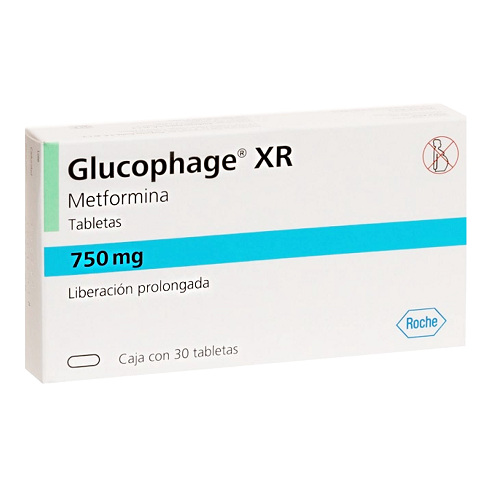
Glucophage (Metformin) in the United States: The Complete Medical Guide for 2026
Can You Get Glucophage Without a Prescription in the US?
No, Glucophage (metformin) can only be obtained with a valid prescription in the United States. It is illegal and potentially dangerous to purchase Glucophage without a prescription, whether from a physical or online pharmacy. The US Food and Drug Administration (FDA) strictly regulates access to metformin for patient safety.
Key Facts: Glucophage (Metformin) at a Glance
| Active Ingredient | Metformin hydrochloride |
|---|---|
| Therapeutic Use | Type 2 Diabetes (first-line oral therapy) |
| Prescription Required in US? | Yes (mandatory by law) |
| Onset of Action | Within 1–3 hours after dose |
| Peak Effect | 2–3 hours (immediate-release), 4–8 hours (extended-release) |
| Main Contraindication | Significant kidney impairment (eGFR <30 mL/min/1.73m2) |
| Common Side Effects | Gastrointestinal upset, diarrhea, nausea |
| Typical Cost (2026) | $4–$15/month (generic), $30–$50/month (brand-name) |
| Insurance Coverage | Widely covered by Medicare, Medicaid, and private insurance |
Bottom line: Glucophage is a well-established and affordable medication for Type 2 Diabetes in the US, but must be used under medical supervision.
How Glucophage Works: The Science Explained
Glucophage’s active ingredient, metformin, works primarily by reducing hepatic (liver) glucose production, enhancing insulin sensitivity, and increasing glucose uptake in muscle tissue. Its pharmacological effect is mainly via inhibition of mitochondrial respiratory-chain complex I, which leads to decreased ATP production, increased AMP-activated protein kinase (AMPK) activity, and suppression of gluconeogenesis (the liver’s production of new glucose).
Simply put, it prevents your liver from releasing too much sugar into the blood and helps your muscles use sugar more efficiently, all without overstimulating the pancreas or causing weight gain.
Metaphor: If your body’s sugar control is like a thermostat, Glucophage adjusts the “set point” lower and stops your liver from turning up the heat.
- Does not cause hypoglycemia (dangerously low blood sugar) when used alone.
- Does not depend on meal timing for its core action, though taking with food improves stomach tolerance.
- Does not increase insulin secretion, so it generally does not contribute to weight gain.
Recent studies (2023–2025) continue to support the efficacy of metformin as first-line therapy for Type 2 Diabetes in the US, especially in patients with overweight or metabolic syndrome.1-3
How to Take Glucophage: Dosage, Timing, and Adjustments
- What is the usual starting dose?
- Most adults begin with 500 mg once or twice daily, depending on individual tolerance and blood glucose levels. Extended-release (ER/XR) tablets may be started once daily.
- How is the dose increased?
- The dose may be gradually increased by 500 mg weekly, as tolerated, up to a typical maximum of 2000 mg/day. Some patients may require up to 2550 mg/day, but exceeding this does not usually provide additional benefit and increases side effect risk.
- When does Glucophage work best?
- For immediate-release tablets, take with meals to minimize stomach upset. Extended-release versions are usually taken once daily with the evening meal. Swallow tablets whole; do not crush or split extended-release forms.
- How long does a dose last?
- One dose helps control blood sugar for roughly 12–24 hours, depending on the formulation.
- Adjustments for special populations?
-
- Elderly (age ≥65): Start at the lowest dose, monitor kidney function regularly.
- Impaired kidney function: Contraindicated if eGFR <30 mL/min/1.73m2. Reduce dose if eGFR is 30–45.
- Liver disease: Use with caution; risk of lactic acidosis is higher.
Never exceed 2550 mg/day. If you miss a dose, skip it—do not double up. Always follow your doctor’s titration schedule. If your fasting glucose remains above target, contact your provider for adjustments.
Interactions with Food, Alcohol, and Lifestyle
| Product/Lifestyle Factor | Can It Be Combined? | Notes |
|---|---|---|
| High-fat meals | Yes, but not optimal | May increase stomach upset and delay absorption by up to 60 minutes. |
| Alcohol | Not recommended | Heavy drinking increases risk of lactic acidosis, a rare but serious complication. |
| Grapefruit juice | No significant interaction | No clinically relevant effect noted. |
| Other diabetes medicines | With caution | Risk of hypoglycemia may increase with sulfonylureas or insulin. |
| Exercise | Encouraged | Improves insulin sensitivity and complements metformin’s effect. |
Quick tip: Always limit alcohol to no more than 1 drink/day (women) or 2 drinks/day (men), and avoid binge drinking while on Glucophage.
Who Should Not Take Glucophage? Absolute and Relative Contraindications
- Severe kidney impairment (eGFR <30 mL/min/1.73m2)
- Acute or chronic metabolic acidosis, including diabetic ketoacidosis
- Known hypersensitivity to metformin or any component of the formulation
Relative (Use with caution or monitor closely):
- eGFR 30–45 mL/min/1.73m2: Lower starting dose, closer monitoring
- Severe liver disease
- Heart failure that is unstable or requiring hospitalization
- History of lactic acidosis
- Heavy alcohol use
- Scheduled for surgery or imaging with iodinated contrast: may require temporary discontinuation
Why these limitations? Glucophage is cleared by the kidneys. Impaired function raises the risk of metformin build-up, leading to lactic acidosis—a potentially fatal condition. In acute illness, surgery, or severe dehydration, stop metformin and consult your doctor.
Myth vs Reality: Myth: “Everyone with diabetes can take Glucophage.” Reality: People with kidney, liver, or major heart problems may be at serious risk.
What Side Effects are Most Common with Glucophage?
- Diarrhea
- Nausea
- Stomach pain or cramping
- Loss of appetite
Common (1 in 100 to 1 in 10):
- Metallic taste in mouth
- Flatulence
- Mild headache
Rare (<1 in 1,000):
- Lactic acidosis (medical emergency—symptoms: rapid breathing, confusion, muscle pain)
- Skin rash or itching
- Vitamin B12 deficiency with long-term use (may cause anemia or neuropathy)
What to do if side effects occur?
- Most GI effects improve after 1–2 weeks; start low, go slow.
- If severe vomiting, diarrhea, or muscle pain develops—stop Glucophage and contact your doctor or local emergency room immediately.
- Annual vitamin B12 checks are recommended for long-term users.
Glucophage does not usually cause hypoglycemia on its own, but when combined with other diabetes medicines, be alert for low blood sugar signs (shakiness, sweating, irritability).
Glucophage vs Other Type 2 Diabetes Medications: A Practical Comparison
| Feature | Glucophage (Metformin) | Sulfonylureas (e.g., glipizide) | DPP-4 inhibitors (e.g., sitagliptin) |
|---|---|---|---|
| Onset Speed | 2–3 hours | 30–60 minutes | 1–4 hours |
| Duration | ~12–24 hours | Up to 24 hours | Once daily |
| Weight effect | Neutral or mild loss | Weight gain common | Neutral |
| Hypoglycemia risk | Low (alone) | High | Low |
| Most common side effect | GI upset | Low blood sugar | Nasopharyngitis |
| Monthly cost (generic) | $4–$15 | $5–$20 | $300–$450 |
| Insurance coverage | Nearly universal | Widely covered | Coverage varies |
In short: Glucophage remains first-line in most US guidelines due to its efficacy, safety, cost, and weight neutrality. Sulfonylureas act faster but carry a higher risk of hypoglycemia and weight gain. DPP-4 inhibitors are newer, more expensive, and generally reserved for patients who cannot tolerate or do not reach goals with metformin.
Key Characteristics Table: Glucophage (Metformin)
| Parameter | Value |
|---|---|
| Active ingredient | Metformin hydrochloride |
| Available strengths | 500 mg, 750 mg, 850 mg, 1000 mg |
| Formulations | Immediate-release, Extended-release (ER/XR) |
| Half-life (T1/2) | ~6.2 hours |
| Metabolism | Not metabolized; excreted unchanged by kidneys |
| Usual daily dose | 500–2000 mg/day, divided |
| Maximum dose | 2550 mg/day (immediate-release) |
| Pregnancy category (2026) | B (caution advised; discuss with provider) |
| Driving/operation of machinery | No direct effect; caution if hypoglycemia risk with other agents |
How to Get Glucophage Legally in the US: Step-by-Step Guide
- Consult a healthcare provider. Schedule a visit with a primary care doctor, endocrinologist, or qualified telehealth service. Telemedicine is widely accepted for prescription renewals in the US.
- Tip: If you are in New York, Los Angeles, Houston, or Chicago, most clinics offer diabetes screening and management appointments within 2–7 days.
- Undergo evaluation. Your provider will review your blood glucose, A1C, kidney function, and other relevant labs.
- Obtain a prescription. If metformin is appropriate, you’ll receive a written or electronic prescription valid at any US-licensed pharmacy.
- Fill your prescription. Present it at your local or preferred chain pharmacy (e.g., CVS, Walgreens, Walmart) or use their verified mail-order service. Most insurance plans, including Medicare and Medicaid, fully or partially cover metformin.
- Follow-up. Regular check-ups (typically every 3–6 months) are crucial to monitor effectiveness and kidney function.
Note: US law prohibits pharmacies from dispensing Glucophage without a valid prescription. Beware of online “pharmacies” that offer to ship without documentation—these are often unsafe and unregulated.
Buying Glucophage Online: US Legality, Risks, and Patient Protections
Is it legal to buy Glucophage online in the United States? Yes, but only through licensed US pharmacies that require a valid prescription. The National Association of Boards of Pharmacy (NABP) provides a “Safe Pharmacy” verification tool to confirm legitimacy.
Risks of unauthorized sources:
- Counterfeit or substandard medication
- No professional oversight—dangerous for your health
- Legal consequences—importation of non-FDA-approved Glucophage is prohibited
Remember: Prescription rules exist to protect you from improper dosing, life-threatening side effects, and fake medicines. Always look for pharmacy licensure and do not trust deals that seem “too good to be true.”
How to Recognize Genuine Glucophage and Avoid Counterfeits
- Check packaging. Authentic Glucophage has a uniform, high-quality blister pack or bottle with “Sanofi” (or manufacturer’s name), batch number, and clear expiration date. Labels are in English with FDA-required statements.
- Look for tamper-evident seals. Broken or missing seals suggest possible tampering.
- Inspect the tablet. Genuine metformin tablets are white or off-white, round or oval, debossed with dose strength and manufacturer code (e.g., “500” or “BMS 6060”).
- Use QR codes or authentication tools. Some manufacturers include a QR code or security hologram. Scan or check on the official website if concerned.
- Be wary of low prices. If the cost is far below the typical $4–$15/month generic price at major US pharmacies, it may be counterfeit, imported, or not FDA-approved.
Generics vs Counterfeits: Generics must be FDA-approved and proven bioequivalent to the original. Counterfeits may contain incorrect, dangerous, or no active ingredient at all.
If in doubt, ask your pharmacist or contact the FDA’s MedWatch program to report suspicious products.
What If You Take Too Much Glucophage? Emergency Actions
- Stop taking Glucophage immediately.
- Call Poison Control (1-800-222-1222) or 911 if you have symptoms such as rapid breathing, confusion, severe stomach pain, or muscle weakness.
- Provide details. Tell the healthcare provider the exact dose and time taken, and bring the medication packaging if possible.
- Follow all medical instructions. Lactic acidosis from overdose can be fatal without immediate hospital treatment.
Do not attempt to “wait it out.” Prompt intervention saves lives.
Special Precautions: Elderly, Kidney Disease, Pregnancy, Driving
- Elderly (≥65 years): Start at lower doses; kidney function should be monitored every 3–6 months. Risk of vitamin B12 deficiency is higher.
- Kidney impairment: Strictly avoid if eGFR <30. Reduce dose and monitor renal labs if eGFR 30–45.
- Liver disease: Use only if benefits outweigh risks; risk of lactic acidosis is greater.
- Pregnancy: Metformin can be used in pregnancy for certain indications (gestational diabetes, PCOS), but always discuss with your obstetrician or endocrinologist. Safety data is robust but not absolute.
- Driving/operating machinery: No direct effect, but if taken with other glucose-lowering drugs, hypoglycemia may impair abilities. Recognize low blood sugar symptoms before driving.
Myth vs Reality: Myth: “Metformin is unsafe for all pregnant women.” Reality: Under specialist care, metformin is used in pregnancy when benefits outweigh risks.
Original vs Generic Glucophage: Effectiveness, Safety, and Cost
Are generics as safe and effective as branded Glucophage? Yes. All generics sold in US pharmacies must meet strict FDA bioequivalence standards to ensure the same absorption, effect, and safety as the original product.
- Excipients (inactive ingredients): Generic versions may use different fillers, binders, or coloring agents. Rarely, sensitive individuals could experience allergic reactions; consult your pharmacist if you have known allergies.
- Price advantage: Generic metformin is available for as little as $4/month at major retailers (via discount programs), with most insurance plans covering nearly the full cost.
- Clinical guidelines: US and international diabetes guidelines do not prefer brand-name over generic if bioequivalent.
Bottom line: In the US, choosing a generic metformin is a safe, effective, and cost-saving option for most people.
Psychological Support: You Are Not Alone with Diabetes
Living with Type 2 Diabetes is common—over 34 million Americans share your journey. Managing your health is a sign of strength, not weakness. If you’re struggling with motivation, side effects, or emotional stress, reach out to your doctor, nurse, or a diabetes support group.
Relationships, mental health, and lifestyle play important roles in your diabetes care. Open conversations—with both professionals and loved ones—can make a real difference.
Frequently Asked Questions about Glucophage in the US
- Can I take Glucophage every day?
- Yes, Glucophage is designed for daily use. Take it at the same times each day for best results.
- Is Glucophage safe for long-term use?
- For most people, yes. Long-term safety is well-established, but periodic kidney function and vitamin B12 monitoring are advised.
- Do I need a prescription for Glucophage in the US?
- Absolutely. US law requires a prescription for all metformin-containing medications.
- How quickly will my blood sugar improve with Glucophage?
- Most people see improvements within 1–2 weeks, but the full benefit may take up to 4 weeks.
- Can I drink alcohol while taking Glucophage?
- Moderate drinking is allowed, but excessive intake increases the risk of lactic acidosis and is not safe.
- What if Glucophage doesn’t lower my blood sugar enough?
- Your provider may adjust the dose, add another medication, or review your diet and activity. Do not adjust your dose on your own.
- How do I know if my Glucophage is authentic?
- Buy only from licensed US pharmacies, check for proper packaging and labeling, and report suspicious products to your pharmacist or the FDA.
- Is metformin different from Glucophage?
- “Glucophage” is a brand name for metformin. Generics with “metformin” as the active ingredient are equivalent.
- Can I split my Glucophage tablets?
- Immediate-release tablets may be split if scored, but extended-release forms must be swallowed whole. Ask your pharmacist before splitting any tablet.
References
- American Diabetes Association. Standards of Medical Care in Diabetes—2026. https://diabetesjournals.org/care. Accessed 2026.
- US Food and Drug Administration. Metformin Hydrochloride: Drug Label. FDA Label. Updated 2024.
- Rena G, Hardie DG, Pearson ER. The mechanisms of action of metformin. Diabetologia. 2024;67(1):1-18. PubMed.
- National Institute of Diabetes and Digestive and Kidney Diseases (NIDDK). Metformin. niddk.nih.gov.
- Safe Pharmacy (NABP). safe.pharmacy. Accessed 2026.
- US Centers for Medicare & Medicaid Services. Drug Coverage under Medicare Part D. Medicare.gov. Accessed 2026.
- Sanofi US. Glucophage (metformin hydrochloride) product information. Sanofi US. Accessed 2026.
- FDA MedWatch. Reporting Unapproved or Counterfeit Drugs. FDA MedWatch.


