
Blog
Buy Ventolin Inhaler Online in the United States Fast and Easy

- Home/
- Buy Ventolin Inhaler Online in the United States Fast and Easy
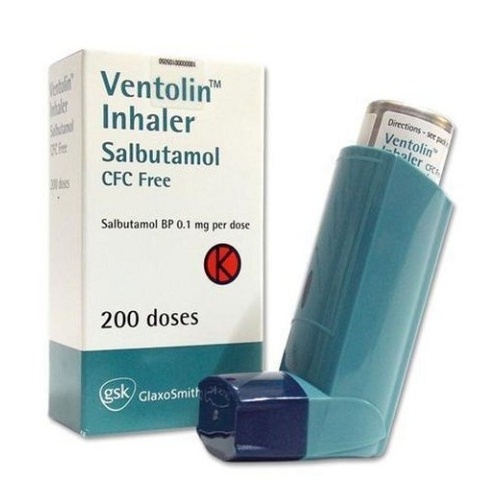
Ventolin Inhaler (Salbutamol): The Definitive Guide for Patients in the United States
Quick Facts: Ventolin Inhaler at a Glance
| Active Ingredient | Salbutamol (also known as Albuterol in the US) |
|---|---|
| Drug Category | Short-Acting Beta-2 Agonist (SABA) for Asthma Relief |
| Prescription Required? | Yes (United States FDA regulation) |
| Onset of Action | Typically within 5 minutes, peak at 30–60 minutes |
| Duration of Effect | About 4–6 hours per dose |
| Main Contraindication | Severe hypersensitivity to salbutamol or excipients |
| Common Side Effects | Shakiness, rapid heartbeat, headache |
| Typical Cost | $30–$70 per inhaler (insurance may reduce) |
| Legal Status for Online Purchase | Legal only via licensed US pharmacy with valid prescription |
Can You Get Ventolin Inhaler Without a Prescription in the US?
No, you cannot legally obtain Ventolin Inhaler without a prescription in the United States. The Food and Drug Administration (FDA) requires a valid prescription for all inhalers containing salbutamol (albuterol), including Ventolin. Pharmacies—whether local or online—are required to verify your prescription from a licensed healthcare provider. Buying from unauthorized sources or without a prescription carries significant legal and health risks, including receiving counterfeit or unsafe products.
How Does Ventolin Inhaler Work in Your Body?
- Scientific Mechanism
- Ventolin Inhaler contains salbutamol, a short-acting beta-2 adrenergic agonist. It selectively binds to beta-2 receptors on the surface of smooth muscle cells in the airways. This triggers the enzyme adenylate cyclase, increasing cyclic AMP (cAMP) levels inside the muscle cell. The result? The airway muscles relax, allowing the airways to widen (bronchodilation), which eases breathing during an asthma attack or episode of bronchospasm.
- Simplified Metaphor
- Imagine your airways are like a tunnel blocked by a tight band. Ventolin acts like a key, unlocking the band and letting the tunnel open up—making it easier for you to breathe.
- Does It Work Instantly?
- Not quite instantly, but nearly so. Most people feel relief within 5 minutes, but the peak effect may take up to an hour.
- Does It Address the Root Cause?
- No. Ventolin treats symptoms (tight airways) but does not address the underlying inflammation responsible for chronic asthma. That role is handled by controller (maintenance) medications, such as inhaled corticosteroids.
Bottom Line: Ventolin is a rapid “relief” inhaler, not a cure, and should not be used as your only asthma therapy if you have persistent symptoms.
Supported by: FDA labeling, National Asthma Education and Prevention Program (NAEPP), and peer-reviewed studies (see Sources).
How to Use Ventolin Inhaler: Dosing, Timing, and Technique
- Standard Adult Dose: Usually 1–2 puffs (90 mcg per puff), repeated every 4–6 hours as needed for acute symptoms. Do not exceed 8 puffs in 24 hours unless specifically directed by your doctor.
- For Children (Ages 4–11): 1 puff every 4–6 hours as needed. Maximum dose must be determined by a pediatrician.
- How to Use:
- Shake the inhaler well before each use.
- Breathe out fully before bringing the inhaler to your mouth.
- Seal lips around the mouthpiece, press down on the canister as you inhale deeply and slowly.
- Hold your breath for about 10 seconds.
- If a second puff is needed, wait 1 minute, shake again, and repeat.
- Peak Effect: Relief starts within 5 minutes, with maximum effect in 30–60 minutes.
- Duration: Each dose typically lasts 4–6 hours.
- Splitting or Crushing: Not applicable—the medication is inhaled, not swallowed or split.
- For Elderly or Those with Liver/Kidney Issues: No routine dose adjustment, but discuss with your doctor for individualized advice.
Never use more than prescribed. Overuse increases risk of serious side effects and may signal poorly controlled asthma. If you need Ventolin more than twice a week, inform your healthcare provider.
Ventolin Inhaler: Food, Alcohol, and Lifestyle Considerations
| Product or Activity | Can It Be Combined? | Potential Consequences |
|---|---|---|
| Meals (any type) | Yes | No significant impact on absorption or effect |
| Alcohol | Occasional, moderate use | No direct interaction, but both can cause heart palpitations. Caution advised. |
| Caffeine | In moderation | May increase shakiness or nervousness when combined |
| Grapefruit Juice | Yes | No clinically significant interactions reported |
| Other Asthma Medications | Yes, under supervision | Some combinations (e.g. with long-acting beta-agonists) require dose adjustment |
| Beta-blockers (heart medications) | STRICTLY NO | Can block Ventolin’s effect, leading to severe asthma attacks |
Key Takeaway: Ventolin Inhaler is not affected by food, but combining with certain heart medications (like beta-blockers) is dangerous. Alcohol and caffeine should be used cautiously due to overlap in possible side effects (palpitations, shakiness).
Who Should Not Use Ventolin Inhaler?
- Absolute Contraindications
-
- Known allergy or hypersensitivity to salbutamol (albuterol) or any component of the inhaler
- Severe allergic reaction to other adrenergic agents
- Relative Contraindications (Use With Caution)
-
- History of heart disease (especially arrhythmias, angina, or recent heart attack within past 6 months)
- Uncontrolled high blood pressure
- Overactive thyroid (hyperthyroidism)
- Seizure disorders (epilepsy)
- Diabetes (may cause blood sugar fluctuations)
- Pregnancy and breastfeeding (should be used only if benefits outweigh risks—consult your OB/GYN)
Why? Ventolin can stimulate the heart and central nervous system, raising heart rate and blood pressure. In sensitive individuals, this may trigger adverse cardiac events or worsen existing conditions.
What Side Effects Are Most Common With Ventolin Inhaler?
- Very Common (>1/10): Tremor (shakiness), headache, rapid heartbeat (tachycardia), palpitations
- Common (1/100–1/10): Muscle cramps, nervousness, dizziness, throat irritation, cough
- Uncommon (1/1,000–1/100): Nausea, mouth dryness, insomnia, rash
- Rare (<1/1,000): Irregular heartbeat (arrhythmia), severe allergic reaction (anaphylaxis), chest pain, paradoxical bronchospasm (worsening breathing)
- Very Rare (<1/10,000): Severe low blood potassium (hypokalemia), metabolic acidosis
Mechanism Example: Most common side effects—like tremor and palpitations—are caused by overstimulation of beta-2 and beta-1 adrenergic receptors, which are present in muscles and heart tissue.
What to do if you notice side effects? For mild symptoms (shakiness, headache), sit down and rest. If you develop chest pain, severe shortness of breath, or allergic swelling—call 911 immediately. Always report side effects to your healthcare provider, as they may require an adjustment to your asthma management plan.
Ventolin Inhaler vs. Alternatives: How Does It Compare?
| Drug Name | Active Ingredient | Onset | Duration | Prescription? | Typical Cost | Key Differences |
|---|---|---|---|---|---|---|
| Ventolin Inhaler | Salbutamol (Albuterol) | ~5 min | 4–6 hrs | Yes | $30–$70 | First-line for acute relief; widely studied |
| ProAir HFA | Albuterol sulfate | ~5 min | 4–6 hrs | Yes | $30–$60 | Similar to Ventolin; different propellant |
| Xopenex HFA | Levalbuterol | ~5 min | 4–6 hrs | Yes | $50–$90 | Potentially fewer tremors in sensitive patients |
| Primatene Mist | Ephedrine/guaifenesin | 5–10 min | ~4 hrs | No (OTC) | $25–$35 | OTC but less effective; more side effects |
Key Takeaway: Ventolin and its branded/generic albuterol competitors are very similar in effect and safety. OTC options (like Primatene Mist) are not recommended for regular asthma therapy, as they may not be as effective and can have higher side effect rates.
Ventolin Inhaler: Key Characteristics Table
| Active Ingredient | Salbutamol (Albuterol) Sulfate |
| Dose per Actuation | 90 mcg |
| Inhaler Volume | 200 actuations per canister |
| Onset of Action | Within 5 minutes |
| Peak Effect | 30–60 minutes |
| Duration of Action | 4–6 hours |
| Metabolism | Liver (CYP450 enzymes, mainly CYP3A4) |
| Elimination | Kidneys (mainly as metabolites in urine) |
| Half-life (T1/2) | ~4–6 hours |
| Packaging Verification | Blue inhaler with clear dose counter and QR code (US packaging since 2023) |
How to Legally Obtain Ventolin Inhaler in the United States: Step-by-Step
- Consultation: Make an appointment with a board-certified healthcare provider (family doctor, pulmonologist, or allergy specialist). Telemedicine is widely accepted—services such as Teladoc, Amwell, and local hospital platforms are all legitimate.
- Diagnosis and Prescription: Your doctor will assess your asthma symptoms and, if appropriate, issue an electronic prescription.
- Choosing a Pharmacy: Take your prescription to a licensed retail pharmacy (CVS, Walgreens, Rite Aid, etc.) or upload it to an accredited online pharmacy verified by the National Association of Boards of Pharmacy (see Safe.Pharmacy).
- Insurance and Payment: If you have insurance, most plans cover Ventolin (check your formulary). Uninsured? Ask about generic options—cost may range from $30–$70 per inhaler.
- Pick-up or Delivery: In most US states, pharmacies offer same-day pick-up or delivery to your address. ID and prescription verification are mandatory.
Never buy Ventolin or any prescription asthma inhaler from sources that do not require a prescription. Such products are often counterfeit, expired, or non-equivalent, and their use may jeopardize your health or violate US law.
How to Spot Counterfeit Ventolin Inhaler: A Security Checklist
- Packaging: Original Ventolin Inhalers in the US are blue, with a white label bearing the drug name, dosage, and manufacturer (GlaxoSmithKline). Since 2023, most packaging includes a QR code for verification.
- Blister and Labeling: Packaging should be factory-sealed and have clear, professional fonts—no spelling errors or blurry print.
- Hologram/Batch Number: Look for an FDA-approved batch number and, on newer units, a holographic sticker.
- Price: An unusually low price (e.g., less than $15) is a red flag for counterfeit or substandard medication.
- Physical Appearance: Device should not be cracked, leaking, or have an unusual odor.
- Generic Options: US-authorized generics will be labeled “Albuterol” with the pharmacy or manufacturer’s logo (Teva, Perrigo, etc.), not as “Ventolin.”
If in doubt, scan the QR code or ask your pharmacist to verify authenticity. Never purchase from international or “grey market” websites. For official guidance, see the FDA’s page on suspicious drugs: FDA Drug Supply Chain Security Act.
What To Do If You Overdose on Ventolin Inhaler
- Immediately stop using the inhaler.
- Call 911 or your local emergency number—do not wait for symptoms to worsen.
- Report how many puffs (and at what dose) have been taken to the emergency responder.
- If possible, bring the inhaler packaging to the hospital for reference.
- Common overdose symptoms include severe trembling, chest pain, fast or irregular heartbeat, weakness, and severe headache.
Overdose is a medical emergency. Life-threatening complications (such as arrhythmias or dangerously low potassium) can occur within hours. Do not induce vomiting or try to “wait it out.”
Special Patient Groups: Who Needs Extra Caution?
- Children under age 4: Safety and effectiveness not established for regular use; specialist oversight required.
- Elderly patients: May be more sensitive to side effects such as heartbeat changes or tremor. Start at the lowest effective dose.
- Pregnancy/Breastfeeding: Only use if prescribed by a healthcare provider and benefits outweigh risks. No definitive evidence of harm, but caution is always advised.
- Cardiovascular Disease: Close monitoring required due to risk of arrhythmias and blood pressure changes.
- Diabetes: Risk of elevated blood sugar (hyperglycemia)—check levels regularly.
- Epilepsy or history of seizures: Use may lower seizure threshold.
- Driving/Operating Machinery: No direct impairment, but rare side effects (tremor, dizziness) can affect ability. Monitor your response before driving.
- Fertility/Family Planning: No current evidence of impact on fertility in men or women.
No clinical studies have shown a need for routine dose reduction in patients with mild-to-moderate liver or kidney impairment, but always consult your doctor for individualized advice.
Ventolin Inhaler vs. Generics: Are They Really the Same?
- Advantages: Lower cost, same active effect, widely available at large pharmacy chains.
- Disadvantages: Some users report a different “feel” to the spray or taste due to different propellants or devices. Rarely, excipient allergies may occur.
- Quality Assurance: All FDA-approved generics must meet the same quality, safety, and efficacy standards as the brand-name drug.
Bottom line: For most users, a generic albuterol inhaler is a smart, cost-saving option with no loss of efficacy or safety. Discuss with your pharmacist if you notice any unusual effects.
Myths vs. Reality: Ventolin Inhaler
- Myth: You can use Ventolin Inhaler as often as you want if your asthma flares up.
- Reality: Frequent need for Ventolin is a warning sign of poorly controlled asthma. Using it more than twice per week (not counting exercise) means you need a medication review and possibly a change in your long-term asthma plan.
- Myth: Ventolin Inhaler cures asthma.
- Reality: Ventolin only relieves symptoms; it does not address the underlying airway inflammation. Most asthma patients need both a “reliever” (such as Ventolin) and a “controller” (like inhaled steroids).
- Myth: All inhalers are the same.
- Reality: Inhalers differ by medication, device, and instructions. Always use your prescribed inhaler and follow your doctor’s directions.
Living With Asthma: You’re Not Alone
Asthma is one of the most common chronic diseases in the United States, affecting millions of adults and children. Experiencing breathlessness or needing a rescue inhaler can be stressful—even scary. Remember: needing help does not mean you’ve failed, and it’s never a sign of weakness.
Many people find it helpful to discuss their symptoms and concerns with a trusted friend, family member, or a professional counselor. You deserve support, and adjusting your asthma management is a sign of strength, not defeat.
Frequently Asked Questions (FAQ)
- Is Ventolin Inhaler available without a prescription in the US?
- No. FDA regulations require a prescription for all albuterol-based inhalers, including Ventolin.
- Can I use Ventolin Inhaler every day?
- Daily use is only appropriate for certain patients under doctor supervision. Needing it more than twice a week usually means your asthma plan needs updating.
- How quickly does Ventolin Inhaler work?
- Most people feel relief within 5 minutes, with peak effect in 30–60 minutes.
- What should I do if Ventolin Inhaler doesn’t work during an attack?
- Call 911 or seek emergency help immediately—persistent symptoms after use may signal a severe or life-threatening flare.
- Are there cheaper alternatives to Ventolin Inhaler?
- Yes, FDA-approved generic albuterol inhalers are available and usually less expensive.
- What if I accidentally take too much?
- Stop using the inhaler and seek emergency care. Bring the device and packaging with you if possible.
- Can Ventolin Inhaler be delivered to my home?
- Yes, most US pharmacies and licensed online pharmacies offer home delivery, but a prescription is always required.
- How can I tell if my Ventolin Inhaler is counterfeit?
- Check for original blue packaging, QR code, batch number, and standard US labeling. When in doubt, consult your pharmacist or scan the QR code.
- Does Ventolin Inhaler affect fertility?
- No current evidence suggests an impact on male or female fertility.
- Is it safe to use during pregnancy?
- Use only if prescribed; discuss risks and benefits with your OB/GYN or asthma doctor.
References
-
US Food and Drug Administration (FDA). “Ventolin HFA (albuterol sulfate) Inhalation Aerosol – Label Information.” Accessed June 2024.
FDA Official Label -
National Institutes of Health, National Asthma Education and Prevention Program. “Expert Panel Report 4: Guidelines for the Diagnosis and Management of Asthma.” Accessed June 2024.
NIH Asthma Guidelines -
Global Initiative for Asthma (GINA). “Global Strategy for Asthma Management and Prevention, 2024 Update.” Accessed June 2024.
GINA 2024 Report -
FDA. “Drug Supply Chain Security Act.” Accessed June 2024.
FDA DSCSA -
PubMed. “Salbutamol for acute asthma in adults: Systematic review and meta-analysis.” (2023).
PubMed Study -
American Academy of Allergy, Asthma, and Immunology. “Albuterol and Asthma Quick-Relief Medicine.” Accessed June 2024.
AAAAI Resource -
National Association of Boards of Pharmacy. “Safe.Pharmacy: Verified Pharmacy Program.” Accessed June 2024.
Safe.Pharmacy


