
Blog
Buy Propecia at Low Price in the United States

- Home/
- Buy Propecia at Low Price in the United States
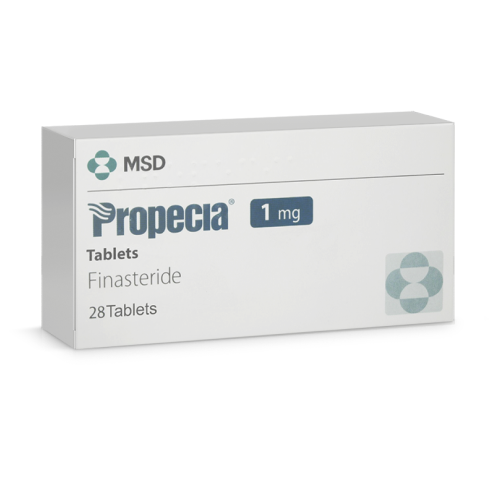
Propecia (Finasteride) in the United States: The Complete Guide for Safe, Effective Hair Loss Treatment in 2026
Key Facts at a Glance: Propecia in the U.S.
- Active ingredient: Finasteride 1 mg per tablet, FDA-approved for male pattern hair loss.
- Prescription status: Prescription only in the U.S.; purchasing without a prescription is illegal and unsafe.
- Onset of effect: First visible changes typically after 3–6 months of daily use; maximum effect after 12 months.
- Main contraindication: Women, children, and men with known hypersensitivity or liver disease should NOT use.
- Insurance coverage: Most U.S. health insurance plans do not cover Propecia for hair loss; out-of-pocket cost averages $25–$70/month for generics in 2026.
- Potential side effects: Decreased libido, erectile dysfunction (2–9% of cases), breast tenderness or enlargement, depression (rare).
- Authorized pharmacies: Only purchase from U.S.-licensed brick-and-mortar or verified online pharmacies to avoid counterfeits.
Can You Get Propecia Without a Prescription in the U.S.?
No, Propecia (finasteride 1 mg for hair loss) requires a prescription in the United States.
It is illegal and unsafe to purchase Propecia from sources that do not require a valid prescription from a licensed healthcare provider. The FDA strictly regulates prescription medication sales to protect patients from counterfeit or unsafe drugs.
How Does Propecia Work for Hair Loss?
Propecia contains finasteride, a selective type II 5-alpha-reductase inhibitor. This means it blocks the enzyme responsible for converting testosterone into dihydrotestosterone (DHT)—a hormone implicated in shrinking hair follicles in genetically susceptible men. By lowering scalp DHT levels by up to 60–70% (as shown in recent studies, 2024), Propecia slows or stabilizes hair loss in most cases and, for some users, may even promote regrowth of thinner, miniaturized hair.
In short: Propecia interrupts a key hormonal trigger of male pattern baldness—so it targets the symptoms, not the underlying genetic cause.
It works independently of external triggers, but only in areas affected by androgenetic alopecia (typically the crown and mid-scalp). Propecia has no effect on hair loss due to other causes (e.g., alopecia areata, scarring, or chemotherapy).
Important to know: If you stop taking Propecia, DHT levels return to baseline within 7 days, and any progress achieved is usually lost within 9–12 months.
Proper Dosing: How to Take Propecia Safely
| Parameter | Recommendation |
|---|---|
| Starting Dose | 1 mg by mouth once daily |
| Maximum Dose | 1 mg daily (higher doses provide no additional benefit for hair loss; 5 mg used only for prostate conditions) |
| Tablet Splitting | Finasteride 1 mg tablets may be split, but uneven dosing and exposure risk (especially for women of childbearing age) make whole tablet use preferable. |
| With or Without Food? | Either is acceptable—food does not significantly affect absorption. |
| Duration to Assess Effectiveness | At least 3–6 months of daily use; up to 12 months for full effect. Continued use needed to maintain results. |
Commentary: There is no dose adjustment needed for healthy adults. In patients with mild-to-moderate renal or hepatic impairment, no specific adjustments are recommended, but use with caution. Never exceed 1 mg daily unless prescribed for benign prostatic hyperplasia (BPH), which uses a higher strength (5 mg). If you miss a dose, take it as soon as you remember—do NOT double up.
Food, Alcohol, and Lifestyle: What Affects Propecia’s Effectiveness?
- Food interactions:
- Taking Propecia with or without food does not significantly change how much is absorbed. High-fat meals do not affect the onset or efficacy.
- Alcohol:
- No direct interaction. Moderate alcohol intake does not reduce effectiveness, but excessive drinking is discouraged as it may worsen hair loss or mental health side effects.
- Grapefruit juice:
- No known interaction. Unlike many other medications, Propecia’s metabolism is not affected by grapefruit.
- Lifestyle factors:
- Stress, nutrition, and scalp health can influence overall hair health—but do not directly interact with finasteride’s mechanism. Regular use and adherence are more important than timing with meals or activities.
Bottom line: Take Propecia at the same time each day, with or without food, and maintain healthy lifestyle habits for best results.
Who Should Not Take Propecia? Contraindications and Red Flags
- Absolute contraindications:
- Women (especially those who are pregnant or may become pregnant): Propecia can cause fetal harm if handled or taken during pregnancy.
- Children and adolescents under 18 years old.
- Known allergy or hypersensitivity to finasteride or any tablet component.
- Active liver disease (finasteride is metabolized in the liver; use is not recommended in significant hepatic impairment).
- Relative contraindications (use with caution):
- Men with previous history of prostate cancer (finasteride may affect PSA levels and mask cancer detection).
- Men with underlying depression or anxiety disorders (Rare reports of worsening mood or suicidal ideation exist).
- Chronic liver or kidney disease: Consult your doctor for monitoring and risk assessment.
Why? Finasteride’s hormonal mechanism can interfere with fetal development, liver metabolism, and may impact cancer screening. If you have any of the above risk factors, discuss with a U.S.-licensed healthcare provider before starting Propecia.
What Side Effects Are Most Common with Propecia?
- Very Common (>1 in 10)
-
- None consistently reported at this frequency in controlled studies.
- Common (1 in 100 to 1 in 10)
-
- Decreased libido (sexual desire) – 2–9%
- Erectile dysfunction – 1–8%
- Ejaculation disorder (reduced volume or delay) – 2–7%
- Breast tenderness or enlargement – up to 1%
- Uncommon/Rare (1 in 1,000 to 1 in 10,000)
-
- Depression, mood changes – rare but documented
- Testicular pain – <1%
- Allergic reactions (rash, swelling of lips or face)
- Male breast cancer – extremely rare, <1 per 100,000
- Very Rare (<1 in 10,000)
-
- Persistent sexual side effects (may last after stopping)
- Infertility (evidence limited, reversibility likely but not guaranteed)
Mechanism: Most sexual side effects are due to reduced DHT levels. Breast changes may occur due to hormonal shifts. Rare mood changes remain under investigation (FDA warning, 2022).
What to do if side effects occur? Report persistent or severe symptoms to your prescribing physician. Most symptoms resolve after stopping, but not always. Emergency symptoms (chest pain, shortness of breath, severe swelling) require immediate medical attention (call 911).
How Does Propecia Compare to Alternatives?
| Medication | Active Ingredient | Prescription | How It Works | Onset of Action | Cost (est. 2026) | Side Effects |
|---|---|---|---|---|---|---|
| Propecia | Finasteride 1 mg | Yes | Inhibits DHT formation | 3–6 months | $25–$70/month (generic) | Sexual dysfunction, rare mood changes |
| Minoxidil (Rogaine) | Minoxidil (topical) | No (OTC) | Vasodilator, stimulates hair growth | 2–4 months | $15–$35/month | Scalp irritation, unwanted facial hair (rare) |
| Dutasteride | Dutasteride 0.5 mg | Yes | Inhibits DHT (type I & II) | 3–6 months | $45–$90/month (generic) | Higher sexual side effect risk |
| Hair Transplant | — | No | Physically moves follicles | Immediate (with recovery period) | $5,000–$18,000 (one-time) | Surgical risks, scarring, cost |
Commentary: Propecia is the only FDA-approved oral medication for male pattern hair loss in the U.S. Minoxidil is often used alongside Propecia for added effect. Dutasteride is sometimes used off-label but is not FDA-approved for hair loss. Surgical options exist but are costly and carry procedural risks. None of these options work for everyone, and all have trade-offs between cost, convenience, and side effects.
How Propecia Moves Through Your Body: Pharmacokinetics Explained
- Absorption: After oral administration, ~65% of finasteride is absorbed. Peak blood concentration is reached in 1–2 hours.
- Distribution: Finasteride binds to blood proteins (~90%) and is delivered throughout the body, especially the scalp and prostate.
- Metabolism: It is processed mainly in the liver by CYP3A4 enzymes.
- Elimination: About 39% is excreted in urine, 57% in feces. Elimination half-life averages 4.8–7.1 hours in younger adults, up to 8 hours in those over 70.
- Special populations: No major differences in pharmacokinetics for mild-to-moderate kidney or liver impairment, but caution is still advised.
In plain language: After swallowing a Propecia tablet, it’s absorbed quickly, processed by your liver, and most of it leaves your body within a day, but some effects on DHT last up to a week. This is why missing one dose has little impact, but stopping for a week or more can undo months of progress.
Compatibility Check: Propecia and Other Medications
| Medication/Product | Can It Be Combined? | Consequence |
|---|---|---|
| Minoxidil (topical) | Yes | No significant interaction; often combined for better results |
| Dutasteride | Not recommended | May increase risk of side effects; no proven benefit for hair loss over monotherapy |
| Antidepressants (SSRIs, SNRIs) | Yes, with caution | No direct interaction, but watch for mood changes |
| Testosterone supplements | Not recommended | May reduce Propecia’s effectiveness; consult a specialist |
| Grapefruit juice | Yes | No known interaction |
| Alcohol | In moderation | No direct interaction, but excessive use is discouraged |
Bottom line: Always share your medication list with your U.S. healthcare provider before starting Propecia to avoid unexpected interactions.
How to Get Propecia Legally in the U.S.: Step-by-Step
- Consult a healthcare provider: Make an appointment with a U.S.-licensed doctor—either in-person (e.g., at a dermatology clinic in New York, Los Angeles, or your city) or via a reputable telemedicine platform.
- Evaluation: The provider will assess your medical history, family history, and pattern of hair loss. A blood test or scalp exam may be performed to rule out other causes.
- Prescription: If appropriate, your provider will issue a prescription for Propecia (finasteride 1 mg daily).
- Pharmacy fulfillment: Fill your prescription at a U.S.-licensed pharmacy—either brick-and-mortar (CVS, Walgreens, Rite Aid, etc.) or a verified online pharmacy (look for the NABP’s “.pharmacy” seal).
- Ongoing monitoring: Regular follow-up with your provider is advised every 6–12 months to monitor effectiveness and side effects.
Myth vs Reality:
Myth: You can buy “real” Propecia from any website online.
Reality: Only U.S.-licensed pharmacies may legally dispense Propecia. Non-prescription sources are illegal and often sell counterfeits.
Spotting Counterfeits: How to Identify Authentic Propecia
- Packaging: Original Propecia (Merck) comes in a sealed box with a tamper-evident hologram, clear batch number, expiry date, and U.S. FDA-approved labeling. Generic versions (e.g., by Teva, Sandoz) have standardized FDA-compliant packaging with similar details.
- Tablet: Authentic tablets are film-coated, pale blue, and marked with “PROPECIA” or manufacturer-specific codes (e.g., “F1” for 1 mg).
- Price: If the offer seems “too cheap,” beware—counterfeiters often use low prices to lure buyers. U.S. pharmacy prices (2026) are typically $25–$70/month for generics.
- Verification: Look for NABP’s “.pharmacy” domain or check pharmacy licensing at your state’s Board of Pharmacy website.
- QR codes/holograms: Major manufacturers include these for security—scan with your smartphone to check authenticity when possible.
Red flag: Any product sold without a prescription or missing FDA-mandated packaging is almost always counterfeit or illegally imported.
Propecia vs Generics: What’s the Difference?
Since the original Propecia patent expired, many FDA-approved generics containing finasteride 1 mg are available in the U.S. (e.g., Sandoz, Teva, Accord). Generics are clinically equivalent to Propecia in terms of efficacy and safety, but may differ in inactive ingredients (excipients), tablet color, shape, or packaging.
- Advantages of generics: Lower cost, identical active ingredient, widely available in the U.S.
- Possible disadvantages: Rare allergic reactions to inactive components (dyes, fillers), slight taste or appearance differences.
What about compounded or imported versions? Avoid “custom-mixed” or gray-market imports—these are not FDA-regulated and may be unsafe.
Special Considerations: Who Needs Extra Caution?
- Older adults (>65 years): Propecia remains effective, but hair regrowth may be less significant. No routine dose change is required, but discuss risks vs. benefits with your doctor.
- Men with chronic liver or kidney disease: Propecia is processed by the liver and eliminated by the kidneys. Mild-to-moderate impairment generally does not require dose adjustment, but use with caution and regular monitoring.
- Men trying to conceive: Rare reports of reduced fertility exist, but most studies show reversibility upon stopping. Discuss family planning with your provider.
- Driving and machinery: Propecia does not cause drowsiness or impair concentration. No restrictions per U.S. clinical guidelines.
- Men with mental health history: A small percentage report mood changes; close follow-up is warranted if you have a personal or family history of depression or anxiety.
What to Do in Case of Overdose
- Stop taking Propecia immediately.
- Contact your healthcare provider, local poison control center (call 1-800-222-1222), or emergency services (911) if serious symptoms develop.
- Provide full details: dose taken, timing, and any symptoms.
- There is no antidote; management is supportive. Do not try to induce vomiting unless specifically instructed by a healthcare professional.
- Bring the medication packaging to the hospital for reference.
Remember: You’re Not Alone
Hair loss is a common and treatable condition in the U.S. Millions of men face the same concerns. The emotional impact is real, but so is the potential for effective therapy—whether medical, cosmetic, or surgical. Don’t hesitate to discuss your concerns openly with your doctor or a mental health professional, especially if hair loss is affecting your confidence or quality of life.
Frequently Asked Questions (FAQ)
- Can Propecia be used daily?
- Yes, Propecia is designed for once-daily use. Skipping doses may reduce effectiveness.
- How quickly does Propecia work?
- Visible improvement is usually seen after 3–6 months, with maximum benefit at 12 months. Stopping treatment reverses gains over time.
- Is Propecia covered by insurance in the U.S.?
- Most U.S. insurers do not cover Propecia for hair loss; it is considered a cosmetic treatment. Some plans may cover it for prostate issues (at 5 mg strength).
- Can women use Propecia?
- No, Propecia is contraindicated and potentially dangerous for women, especially during pregnancy. It is only FDA-approved for men with male pattern hair loss.
- Does Propecia cause permanent sexual dysfunction?
- Most sexual side effects resolve after stopping, but rare cases of persistent symptoms have been reported. The risk is low but real; discuss concerns with your provider.
- Is it legal to buy Propecia online in the U.S.?
- Yes, but only from licensed U.S. pharmacies that require a valid prescription. Purchasing from unverified or foreign websites is illegal and unsafe.
- Can I combine Propecia with other hair loss treatments?
- Yes, Propecia is often combined with minoxidil for enhanced results. Always consult your doctor before starting new treatments.
- What happens if I miss a dose?
- Take the missed dose as soon as you remember, but do not double up. Missing one dose is unlikely to affect long-term results.
References
- United States Food and Drug Administration. FINASTERIDE (PROPECIA) prescribing information. Latest revision 2025. Link
- Hirsch, R. J. et al. Efficacy and safety of finasteride for male pattern baldness: a 2024 systematic review. JAMA Dermatology. Accessed 2026. Link
- FDA Drug Safety Communication: Finasteride and risk of suicidal thoughts and behavior. Link
- National Institutes of Health (NIH). Finasteride: Drug Information Portal. Accessed 2026. Link
- American Academy of Dermatology Association. Hair loss: Who gets and causes. Accessed 2026. Link
- National Association of Boards of Pharmacy. Find a Safe Pharmacy. Link


