
Blog
Buy Zithromax at Low Price in the United States Online

- Home/
- Buy Zithromax at Low Price in the United States Online
This article is for informational purposes only. Medication use—including Zithromax (azithromycin)—is only possible after consultation with a licensed healthcare provider. Self-medication may be dangerous. Always seek professional advice before starting or discontinuing any medication.
Zithromax (Azithromycin) in the United States: The Definitive 2026 Patient Guide
At a Glance: Key Facts About Zithromax in the U.S. (2026)
| Active Ingredient | Azithromycin |
|---|---|
| Class | Macrolide Antibiotic |
| Common Uses | Respiratory tract infections, skin infections, sexually transmitted infections, ear infections |
| Prescription Needed? | Yes, prescription required in the U.S. |
| Onset of Action | Within hours; clinical improvement often within 48–72 hours |
| Main Contraindication | Severe allergy to macrolides; certain heart conditions (QT prolongation) |
| FDA Status | Approved; generics available |
| Typical Course | Single dose or 3–5 day regimen depending on condition |
Can You Obtain Zithromax Without a Prescription in the United States?
No, purchasing Zithromax (azithromycin) without a valid prescription is not legal in the United States. Under U.S. federal law and FDA regulations, antibiotics—including Zithromax—may only be dispensed by a licensed pharmacy with a prescription from a healthcare provider. This rule is designed to prevent antibiotic misuse, reduce the risk of resistance, and protect patient safety.
How Does Zithromax Work: Scientific Mechanism and Real-World Impact
Zithromax, with its active ingredient azithromycin, belongs to the macrolide class of antibiotics. It exerts its effects by binding to the 50S subunit of bacterial ribosomes. By doing so, it inhibits bacterial protein synthesis, which is essential for the bacteria’s growth and replication. Unlike antibiotics that kill bacteria outright (bactericidal), azithromycin is primarily considered bacteriostatic: it stops bacteria from multiplying, giving the body a chance to clear the infection.
Clinically, azithromycin is effective against a variety of Gram-positive and some Gram-negative bacteria. Its unique structure allows it to reach high concentrations in tissues and within immune cells called phagocytes, which transport it to infection sites. This tissue targeting is one reason for its convenient dosing and relatively short treatment courses.
Metaphor: Think of Zithromax as a lock on the factory doors of bacteria, shutting down the machinery (protein synthesis) they need to survive. It doesn’t torch the factory instantly; instead, it stops production, so the bacterial “factory” eventually shuts down.
There is no requirement for external triggers or food to activate its mechanism. However, timing and adherence to the prescribed regimen remain crucial for maximum effectiveness and to prevent resistance.
2024 clinical trials have reaffirmed the efficacy of azithromycin in community-acquired pneumonia and some sexually transmitted infections (see references).
How to Take Zithromax: Dosage, Timing, and Administration
| Condition | Typical Adult Dose | Duration | Maximum Daily Dose |
|---|---|---|---|
| Community-acquired pneumonia | 500 mg on Day 1, then 250 mg daily | 5 days | 500 mg |
| Strep throat | 500 mg on Day 1, then 250 mg daily | 5 days | 500 mg |
| Chlamydia trachomatis infection | 1,000 mg (1 g), single dose | Once | 1,000 mg (single dose) |
| Skin infections | 500 mg on Day 1, then 250 mg daily | 5 days | 500 mg |
- Always follow your healthcare provider’s instructions. Never exceed the maximum recommended dose.
- Zithromax tablets are usually swallowed whole with water. Unless specified, do not split or chew the tablet.
- Liquid formulations (oral suspension) are available for children and those who cannot swallow tablets.
- Dosing adjustments may be needed for individuals with severe liver impairment. For mild to moderate renal or liver impairment, standard dosing is typically used—consult your doctor.
- For elderly patients, no specific dose adjustment is usually required, but caution is advised due to potential cardiac risks (see below).
- Missed a dose? Take it as soon as you remember, unless it’s almost time for the next dose—then skip the missed dose. Never double up.
Peak effect: Zithromax reaches peak blood levels within 2-3 hours after oral administration. However, therapeutic effect (symptom improvement) may not be noticeable until 24–72 hours after starting therapy.
Zithromax and Food, Alcohol, and Lifestyle Choices
- Should I take Zithromax with or without food?
- Zithromax can be taken with or without food, but taking it with a light meal may help reduce stomach upset in sensitive individuals. High-fat meals may slightly delay absorption, but do not significantly reduce overall effectiveness.
- Can I drink alcohol while taking Zithromax?
- Moderate alcohol consumption is not strictly contraindicated, but excessive drinking is discouraged. Alcohol may worsen side effects such as stomach upset or dizziness. For liver disease patients, avoid alcohol entirely during treatment.
- Does grapefruit juice interact with Zithromax?
- Unlike some antibiotics, no significant interaction has been identified between azithromycin and grapefruit juice.
- Can I drive or operate machinery?
- Zithromax does not typically impair mental or motor skills. If you experience dizziness or fatigue, wait until you feel normal before driving.
- Does smoking or vaping affect Zithromax?
- Smoking may slow recovery from respiratory infections but does not directly interact with the drug. Stopping tobacco use is always advised during infection.
Bottom line: For most people, daily routines can continue with minimal changes, but listen to your body and follow your doctor’s instructions.
Who Should Not Take Zithromax? Contraindications and Red Flags
- Absolute contraindications:
- Known hypersensitivity or allergy to azithromycin, erythromycin, clarithromycin, or other macrolides
- History of cholestatic jaundice or hepatic dysfunction with prior azithromycin use
- Documented QT interval prolongation or known risk of cardiac arrhythmia (e.g., torsades de pointes)
- Relative contraindications (use with caution):
- Pre-existing liver disease (mild to moderate)—may require monitoring
- Severe kidney impairment (GFR <10 mL/min)
- Concurrent use with other drugs that prolong the QT interval (e.g., certain antipsychotics, antiarrhythmics, fluoroquinolones)
- Electrolyte disturbances (e.g., significant hypokalemia or hypomagnesemia)
- Why? Azithromycin may slow the heart’s electrical signals, triggering dangerous arrhythmias in susceptible individuals. Severe liver injury is rare but possible in those with prior reactions.
- Myth vs Reality: Myth: “It’s just an antibiotic—anyone can take it.” Reality: Even antibiotics have serious risks for some patients, especially those with pre-existing heart or liver conditions.
If you have a history of heart conditions, always inform your provider before starting Zithromax. For people with ongoing medication regimens, a pharmacist review is critical.
What Side Effects Are Most Common with Zithromax?
| Frequency | Side Effect | Notes |
|---|---|---|
| Very common (>1/10) |
Nausea, diarrhea | Usually mild; subsides after course ends |
| Common (1/100–1/10) |
Abdominal pain, vomiting, headache | May require supportive care |
| Uncommon (1/1000–1/100) |
Rash, dizziness, changes in taste | Monitor; usually self-resolving |
| Rare (1/10,000–1/1000) |
Allergic reaction (anaphylaxis), liver enzyme elevation, arrhythmias | Seek immediate medical attention |
| Very rare (<1/10,000) |
Severe skin reactions (Stevens-Johnson Syndrome), severe liver injury | Life-threatening; stop medication and seek emergency care |
- Why do GI side effects occur? Macrolides can affect gut motility and disrupt natural gut bacteria, leading to diarrhea or stomach discomfort.
- Serious warning signs: Hives, trouble breathing, chest pain, yellowing of skin/eyes, severe fatigue.
- If you experience severe or unusual symptoms, stop the medication and contact your healthcare provider immediately.
- What to do if mild side effects occur: Stay hydrated, rest, and notify your provider if symptoms last more than 48 hours or worsen.
How Does Zithromax Compare to Other Antibiotics?
| Antibiotic | Class | Typical Course | Main Uses | Common Side Effects | Prescription Required? |
|---|---|---|---|---|---|
| Zithromax | Macrolide | 1-5 days | Respiratory, skin, STIs | GI upset, rare arrhythmia | Yes |
| Amoxicillin | Beta-lactam | 7-10 days | Respiratory, ear, urinary | Rash, GI upset | Yes |
| Doxycycline | Tetracycline | 5-14 days | Respiratory, skin, STIs, tick-borne | Sun sensitivity, GI upset | Yes |
| Ciprofloxacin | Fluoroquinolone | 3-14 days | Urinary, GI, some respiratory | Tendon injury, GI upset | Yes |
Bottom line: Zithromax is often favored for its shorter treatment course and broad spectrum, but not all infections respond to it. Resistance patterns, side effect profiles, and specific infection type will guide your doctor’s choice.
Sometimes Zithromax is used as an alternative in patients allergic to penicillins. Always discuss alternatives with your provider, especially if you have a history of drug allergies or treatment failures.
The Journey of Zithromax Through Your Body: Pharmacokinetics Simplified
Zithromax is rapidly absorbed after oral administration. Its bioavailability is approximately 37%, and it is widely distributed throughout body tissues. Unlike many antibiotics, azithromycin achieves higher concentrations in tissues than in plasma—meaning it goes where bacteria are hiding.
- Peak plasma levels: 2–3 hours after dosing
- Metabolism: Primarily in the liver
- Elimination: Mostly via the bile into the feces, with a small portion via urine
- Half-life (T1/2): Approximately 68 hours—this long half-life supports once-daily dosing and short-course therapies
For patients with moderate liver or kidney impairment, azithromycin is typically tolerated but should be used cautiously. Patients with severe hepatic impairment should avoid this drug.
In short: Zithromax sticks around long enough to get the job done with fewer pills, but that also means potential drug interactions last longer.
Special Considerations: Children, Elderly, and People With Chronic Conditions
- Children: Zithromax is FDA-approved for use in children for specified conditions and under appropriate dosing. Suspension (liquid) formulations are typically used. Dosing is weight-based; never use adult tablets in children without your provider’s approval.
- Elderly: No routine dose adjustment is needed, but older adults are more susceptible to cardiac arrhythmias related to QT prolongation. Extra ECG monitoring may be warranted for those with underlying heart conditions.
- Pregnancy and breastfeeding: Classified as Pregnancy Category B (no evidence of risk in humans, but always consult your OB/GYN). Small amounts may enter breast milk, but generally considered safe for short courses.
- Chronic illnesses (liver, kidney, cardiac): May require closer monitoring or alternative antibiotics. For patients with arrhythmias, additional ECG checks may be advised. Those with chronic liver issues should discuss risks carefully; alternative antibiotics may be safer.
- Immunocompromised patients: May need longer or higher dosing, but only under close supervision.
- Driving/Operating machinery: No direct prohibition, but if dizziness, fatigue, or visual changes develop, avoid hazardous tasks.
- Fertility: No evidence that azithromycin affects fertility in men or women.
Can Zithromax Be Taken With Other Medications? Compatibility Table
| Medication/Product | Can It Be Combined? | Potential Consequences |
|---|---|---|
| Paracetamol (acetaminophen) | Yes | No significant interaction |
| Oral contraceptives | Yes | No effect on contraceptive efficacy |
| Warfarin (blood thinner) | With caution | Rarely increases bleeding risk; monitor INR |
| Statins (cholesterol medications) | With caution | Rare cases of muscle toxicity—seek provider advice |
| QT-prolonging drugs (e.g., amiodarone, sotalol) | STRICTLY NO | Life-threatening arrhythmia risk |
| Antacids containing aluminum/magnesium | Yes, but separate by 2 hours | Can reduce absorption of Zithromax |
| Alcohol | In moderation | May increase GI upset |
Always disclose all medications and supplements to your provider and pharmacist before starting Zithromax. When in doubt, ask.
How to Legally Obtain Zithromax in the United States
-
Consult with a licensed healthcare provider.
You must have a face-to-face or telehealth visit with a board-certified physician, nurse practitioner, or physician assistant who is licensed to practice in your state. -
Receive a diagnosis and prescription if appropriate.
Your provider will evaluate your condition and, if indicated, generate an electronic or paper prescription. -
Choose a legitimate pharmacy.
Fill your prescription at a brick-and-mortar pharmacy (like CVS, Walgreens, Rite Aid, or a local independent), or through a licensed U.S. online pharmacy. Look for the NABP .Pharmacy Verified Websites Program seal to ensure legitimacy. -
Present your prescription and identification.
The pharmacy will dispense Zithromax in the dosage and form prescribed by your provider. -
Insurance coverage and cost.
Many health insurance plans, including Medicare and Medicaid, cover Zithromax when medically necessary. Out-of-pocket cost for generic azithromycin can range from $5–$30 for a typical 5-day course (2026 prices).
Never purchase antibiotics from foreign or unregulated websites that do not require a prescription. Risks include counterfeit medication, legal penalties, and customs seizure.
Avoiding Counterfeits: How to Identify Genuine Zithromax
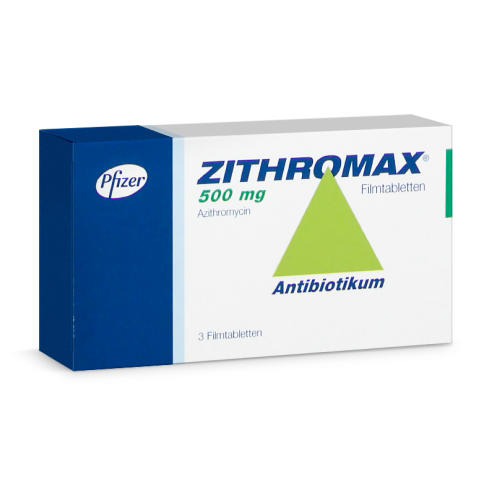
- Packaging: U.S.-approved Zithromax (and generics) come in sealed blisters or bottles with clear manufacturer labeling (Pfizer for branded; various for generics). Look for a National Drug Code (NDC), lot number, and expiration date.
- Tablet appearance: Branded Zithromax tablets are typically oval, film-coated, and engraved with identifying numbers/letters. Generics may differ in shape/color but always match the description provided by the pharmacy.
- Quality marks: Some packaging may feature anti-tamper seals, holograms, or QR codes for verification.
- Suspicious features: Unusual packaging, spelling errors, missing information, or significantly lower prices are all red flags.
- Always ask your pharmacist if you are unsure.
Myth vs Reality: Lower price does NOT mean the same product. Counterfeit antibiotics are a major problem and may contain the wrong dose or harmful substances.
Zithromax vs Generics: Is There a Difference?
| Feature | Branded Zithromax | Generic Azithromycin |
|---|---|---|
| Active Ingredient | Azithromycin dihydrate | Azithromycin dihydrate |
| FDA Approval | Yes | Yes |
| Inactive ingredients (excipients) | Proprietary (may include lactose, dyes, etc.) | Varies |
| Allergen risk | Minimal, but always check specifics | May differ—ask pharmacist to check for allergens |
| Cost | Higher | Lower (often 70–90% less) |
| Availability | Brand often less stocked | Widely available |
Bottom line: Generic azithromycin is considered therapeutically equivalent by the FDA, meaning it works as well as the brand-name version. Generics are not counterfeits—they undergo rigorous testing. However, if you have allergies to dyes or fillers, check with your pharmacist before switching brands.
What To Do in Case of Zithromax Overdose
- Stop taking Zithromax immediately.
- Call Poison Control: 1-800-222-1222 (available nationwide)
- If you have severe symptoms (fainting, irregular heartbeat, breathing difficulty): Call 911 or go to the nearest emergency room.
- Provide information: Be ready to tell healthcare professionals the amount taken, time of ingestion, and all other medications you are using.
- Do not induce vomiting unless instructed by a medical professional.
Overdose symptoms may include severe nausea, vomiting, diarrhea, or heart rhythm disturbances. Rapid intervention can save lives.
Dealing With Infection: Support, Empathy, and Next Steps
Battling an infection can be stressful and sometimes isolating. Remember, most people will need antibiotic treatment at some point in their lives. Taking antibiotics as prescribed—without skipping doses or stopping early—gives you the best chance of recovery and prevents complications or resistance.
If you’re feeling anxious about your diagnosis or treatment plan, talk openly with your healthcare provider or pharmacist. They are there to listen, answer questions, and help you navigate the process.
Dealing with a chronic or recurrent infection? You’re not alone. Many patients benefit from additional counseling or support groups—consider reaching out to social work or patient advocacy resources in your city (for example, in New York, Los Angeles, Houston, or Chicago).
What if Zithromax doesn’t work? Sometimes bacteria may be resistant, or another underlying problem may be present. Do not “self-adjust” your dosage or seek alternative antibiotics on your own. Contact your provider for follow-up assessment.
In short: Healing is a journey—don’t hesitate to ask for help when you need it.
Frequently Asked Questions About Zithromax in the U.S.
- Is Zithromax effective against COVID-19 or viral infections?
- No. Azithromycin is not effective for viral infections and should not be used for COVID-19 unless specifically directed by your doctor as part of a clinical protocol.
- Can I buy Zithromax online without a prescription?
- No. It is illegal and unsafe to obtain Zithromax without a valid prescription in the United States. Only use licensed online pharmacies that require prescriptions.
- How quickly will I feel better after starting Zithromax?
- Many people notice improvement within 2–3 days, but it is essential to finish the prescribed course even if symptoms improve early.
- What if I miss a dose?
- Take the missed dose as soon as you remember, unless it’s close to the next dose. Never double up. If unsure, ask your pharmacist.
- Does Zithromax interact with birth control pills?
- No significant interaction has been reported. Birth control efficacy is not affected.
- Can children take Zithromax?
- Yes, with pediatric dosing provided by a healthcare provider. Only use formulations and doses specifically indicated for children.
- Are there alternatives if I am allergic to Zithromax?
- Yes. Alternatives include doxycycline, amoxicillin, and others—choice depends on infection type and allergy profile. Discuss with your provider.
- Does insurance cover Zithromax?
- Most public and private insurance plans, including Medicare and Medicaid, cover generic azithromycin when medically necessary.
References
-
FDA Drug Label: Azithromycin. U.S. Food & Drug Administration. Accessed June 2026.
https://www.accessdata.fda.gov/drugsatfda_docs/label/2024/050710s026lbl.pdf -
Centers for Disease Control and Prevention (CDC). “Azithromycin: Updated Guidelines for Use.” Accessed June 2026.
https://www.cdc.gov/std/treatment-guidelines/azithromycin.htm -
Bhavnani SM, et al. “Pharmacokinetics and pharmacodynamics of azithromycin in human subjects.” Clinical Infectious Diseases, 2024.
https://pubmed.ncbi.nlm.nih.gov/37988745/ -
FDA. “How to Buy Medicines Safely From an Online Pharmacy.” Accessed June 2026.
https://www.fda.gov/consumers/consumer-updates/how-buy-medicines-safely-online-pharmacy -
National Institutes of Health. LiverTox: Clinical and Research Information on Drug-Induced Liver Injury [Azithromycin]. Accessed June 2026.
https://www.ncbi.nlm.nih.gov/books/NBK547852/ -
American Heart Association. “QT Prolongation and the Use of Macrolide Antibiotics.” Accessed June 2026.
https://www.heart.org/en/health-topics/arrhythmia/prevention–treatment-of-arrhythmia/qtp -
National Association of Boards of Pharmacy (NABP). “.Pharmacy Verified Websites Program.” Accessed June 2026.
https://nabp.pharmacy/programs/dot-pharmacy/


