
Blog
Buy Doxycycline at Low Price in the United States Online

- Home/
- Buy Doxycycline at Low Price in the United States Online
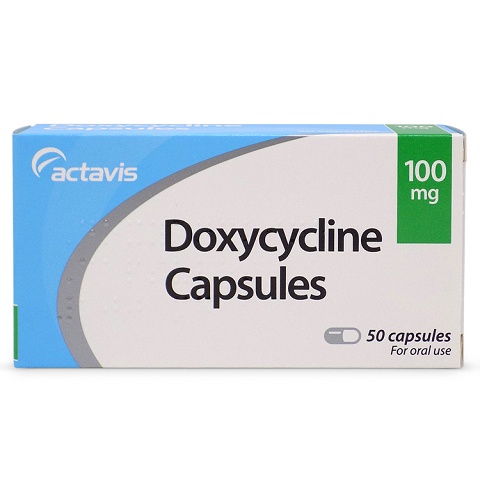
Doxycycline in the United States: The Definitive 2026 Patient & Practitioner Guide
Quick Facts: Doxycycline at a Glance (2026)
| Parameter | Details (U.S., 2026) |
|---|---|
| Active Ingredient | Doxycycline |
| Drug Class | Tetracycline Antibiotic |
| Prescription Required | Yes (federally regulated, see below) |
| Main Indications | Bacterial infections, acne, Lyme disease, some respiratory/urinary infections, malaria prevention |
| Onset of Action | Within hours; full effect in 1–2 days (depends on infection) |
| Absolute Contraindications | Pregnancy (2nd/3rd trimester), children <8 years, known allergy |
| Common Side Effects | GI upset, sun sensitivity, yeast infections |
| Legal Status | FDA-approved; not OTC; telemedicine prescribing allowed under strict rules |
| Average Cost (2026) | $18–$60 for 10-day course (generic) |
- Insurance: Most U.S. plans cover generic Doxycycline after copay.
- Telehealth: U.S.-licensed practitioners can legally prescribe via certified telemedicine platforms.
- Counterfeit risk: High if purchased from unverified online sources.
Can I Get Doxycycline Without a Prescription in the United States?
No, it is illegal and unsafe to obtain Doxycycline without a prescription in the U.S. The U.S. Food and Drug Administration (FDA) requires a valid prescription from a licensed healthcare provider for all Doxycycline products, including generics and branded forms.
Attempting to buy Doxycycline from online sellers who do not require a prescription exposes you to significant risks, including counterfeit medications, legal consequences, and lack of medical oversight. U.S. pharmacies (retail, mail-order, and telehealth) are required by law to verify prescriptions for antibiotics. This is both a safety and regulatory measure.
Myth: “It’s easy and safe to buy Doxycycline online without a prescription.”
Reality: In the U.S., this is illegal, and such products are frequently counterfeit or unsafe.
How Doxycycline Works: Mechanism of Action Explained
Doxycycline is a broad-spectrum tetracycline antibiotic. Its primary mode of action is inhibition of bacterial protein synthesis. At a molecular level, Doxycycline binds to the 30S ribosomal subunit in susceptible bacteria. This prevents the attachment of aminoacyl-tRNA to the ribosomal acceptor (A) site, effectively halting the addition of new amino acids and stopping protein production.
The result? Bacteria can’t sustain vital functions and eventually die or are unable to multiply, allowing the body’s immune system to clear the infection.
Simplified Metaphor: Imagine Doxycycline as a wrench thrown into the gears of a factory assembly line—without new parts (proteins), the factory (bacteria) can’t make its products and shuts down.
Doxycycline is active against a wide range of bacteria, including Gram-positive, Gram-negative, atypical, and some intracellular organisms. Its spectrum covers organisms like Streptococcus pneumoniae, Staphylococcus aureus (including some MRSA strains), Chlamydia, Mycoplasma, Borrelia burgdorferi (Lyme disease), and Plasmodium falciparum (malaria).
- It does not treat viral infections. (Colds, flu, COVID-19, etc.)
- Its effectiveness depends on the organism’s susceptibility—lab testing may be done in serious cases.
Dosing, Onset, and Duration: How to Take Doxycycline Safely
- Standard adult dose (most infections): 100 mg twice daily
- Acne: 50–100 mg once or twice daily
- Malaria prophylaxis: 100 mg once daily (start 1–2 days before exposure, continue for 4 weeks after leaving area)
- Maximum daily dose: 200 mg (unless otherwise directed by a physician)
- Pediatric use: Generally contraindicated if under 8 years. Use only if benefits outweigh risks and under infectious disease specialist supervision.
- Onset of action: Symptom relief may occur within 24–48 hours; full resolution depends on infection type and duration of therapy.
- Duration of therapy: 7–14 days for most infections. Shorter for mild, longer for complicated cases or as directed.
- Take with: Full glass of water, remain upright for at least 30 minutes.
- Swallow whole: Do not crush or split unless scored and approved by your pharmacist.
Special considerations:
- Elderly: No automatic dose reduction, but monitor kidney/liver function before and during therapy.
- Renal impairment: Usually does not require adjustment, but specialist input advised in severe cases.
- Hepatic impairment: Use with caution; Doxycycline is partly metabolized in the liver.
Always complete the prescribed course—even if you feel better. Stopping early encourages antibiotic resistance and could worsen your infection.
Doxycycline and Food, Alcohol, and Lifestyle Choices: What to Know
| Substance | Interaction | Advice |
|---|---|---|
| High-fat meals/dairy | Reduces absorption by 20–30% | Take on an empty stomach (1 hour before or 2 hours after eating). Dairy/calcium supplements should be avoided within 2 hours of dosing. |
| Alcohol (moderate use) | May reduce effectiveness; increases risk of liver side effects | Limit or avoid alcohol. Occasional low intake (<1 drink/day) likely does not cause harm, but not recommended. |
| Grapefruit/grapefruit juice | No significant interaction documented | Unlike many antibiotics, grapefruit is not a concern. |
| Antacids, iron, zinc, magnesium supplements | Strongly reduces absorption of Doxycycline | Do not take within 2 hours before or after Doxycycline. |
- Sunlight: Doxycycline makes your skin much more sensitive to UV light. Use high-SPF sunscreen and avoid tanning beds during treatment.
- Myth: “It’s fine to drink milk with your antibiotics.”
Reality: Dairy products can make Doxycycline less effective. - Hydration: Take each dose with a full glass of water to minimize stomach irritation and pill esophagitis.
Who Should NOT Take Doxycycline? Contraindications and Red Flags
| Type | Situation | Why |
|---|---|---|
| Absolute | Allergy to tetracyclines (including Doxycycline, Minocycline) | Risk of severe allergic reaction (anaphylaxis, rash, swelling) |
| Absolute | Pregnancy (2nd/3rd trimester) | Risk of permanent tooth discoloration, skeletal development issues |
| Absolute | Children under 8 years (unless no safe alternative) | Irreversible tooth discoloration and bone growth suppression |
| Absolute | Severe liver failure | Increased risk of toxicity |
| Relative | Moderate liver or kidney disease | May require dose adjustment/close monitoring |
| Relative | History of esophageal disorders | Increased risk of pill-induced esophagitis; take upright with water |
- Contraceptive users: Some studies show possible decrease in effectiveness of hormonal birth control. Consider additional protection during therapy and for 7 days after.
- Immunosuppressed patients: Use only under specialist guidance.
- Heart arrhythmia history: No direct risk, but discuss with your doctor.
After a severe allergic reaction: Never take any tetracycline again.
What Side Effects Are Most Common with Doxycycline?
- Very common (>1 in 10):
-
- Gastrointestinal upset (nausea, diarrhea, abdominal pain, loss of appetite)
- Photosensitivity (sunburn with minimal sun exposure)
- Common (1 in 100 to 1 in 10):
-
- Yeast infections (oral/vaginal)
- Headache
- Skin rash (mild)
- Tooth discoloration (mainly in children)
- Rare (1 in 1,000 to 1 in 10,000):
-
- Esophageal ulceration (if taken without water or lying down)
- Severe allergic reactions (anaphylaxis, angioedema)
- Hepatitis or severe liver injury
- Very rare (<1 in 10,000):
-
- Pseudotumor cerebri (benign intracranial hypertension—blurred vision, persistent headache)
- Blood disorders (hemolytic anemia, thrombocytopenia)
Why do these occur? GI upset results from local irritation and alteration of gut flora. Photosensitivity stems from Doxycycline’s accumulation in skin, magnifying UV effects. Rare severe reactions are often immune-related.
- Stop Doxycycline immediately.
- Contact your doctor or seek urgent care if symptoms are severe (difficulty breathing, persistent vomiting, dark urine, visual changes).
- For mild GI upset, try taking with a small snack (non-dairy) or extra water.
Doxycycline vs Alternatives: Is It the Best Choice?
| Feature | Doxycycline | Amoxicillin | Azithromycin |
|---|---|---|---|
| Class | Tetracycline antibiotic | Penicillin derivative | Macrolide antibiotic |
| Onset | 24–48 hours | 12–24 hours | 24–48 hours |
| Duration of treatment | 7–14 days | 7–10 days | 3–5 days (some indications) |
| Common indications | Acne, respiratory, tick-borne, urogenital | Sinusitis, respiratory, UTI, dental | Respiratory, STIs, pneumonia |
| Major side effects | GI upset, sun sensitivity | Allergy, GI upset, rash | GI upset, QT prolongation |
| Pregnancy safety | Not recommended | Generally safe | Generally safe |
| Cost (generic, U.S. 2026) | $18–$60 (10 days) | $12–$30 (10 days) | $22–$55 (5 days) |
| Unique features | Malaria prevention, MRSA, tick-borne | Beta-lactam, safe in pregnancy | Short courses, safe in penicillin allergy |
Bottom line: Doxycycline is preferred for certain infections (tick-borne, some respiratory, acne) and malaria prevention, but isn’t always the first-line choice for all conditions. Your provider will choose the option that best matches your infection, allergies, and medical history.
Doxycycline Key Features Table
| Parameter | Details |
|---|---|
| Typical Dose | 100 mg twice daily (adults) |
| Peak Blood Level | 2–3 hours post-dose |
| Half-life | ~18–22 hours (allows once or twice daily dosing) |
| Metabolism | Primarily liver; some eliminated unchanged via kidneys and feces |
| Tablet splitting | Do NOT split unless marked as scored and directed by pharmacist |
| Driving/Machinery | No impairment reported. Caution if severe headache or visual changes occur. |
| Generic Availability | Multiple FDA-approved generics; cost savings significant (see below) |
How to Get Doxycycline Legally in the United States: Step-by-Step
- Consult Your Doctor: Schedule an in-person or telemedicine appointment with a U.S.-licensed provider (physician, nurse practitioner, or in some states, a physician assistant).
- Assessment: Your provider will evaluate your symptoms, take a history, and may order laboratory tests. Indications must match FDA-approved uses or accepted off-label standards.
- Prescription Issued: If Doxycycline is appropriate, you’ll get a prescription—paper, electronic, or direct-to-pharmacy. Telemedicine prescribers must be registered in your state.
- Pharmacy Fulfillment: Choose a NABP-accredited pharmacy (retail, mail-order, or digital) to fill your prescription. Bring identification and insurance if applicable.
- Follow Use Instructions: Take Doxycycline exactly as prescribed. Complete the full course.
Insurance: Most major plans cover Doxycycline; check your drug list (formulary) for coverage specifics and copay information.
Telehealth: Especially useful for straightforward infections and preventive uses (like malaria). U.S. law requires the telemedicine provider to be licensed in your state—cross-state prescribing is restricted.
How to Spot Counterfeit Doxycycline in the U.S.
- Packaging: Genuine FDA-approved Doxycycline comes in tamper-evident bottles or blisters, labeled with manufacturer name, lot number, and expiration date.
- Tablet appearance: Should be uniform in color (usually light yellow, orange, or white), with clear scoring or imprint codes (e.g., “DAN 5556” for generic 100 mg). No smudging, odd fonts, or misspellings.
- QR codes/holograms: Some manufacturers now include a scannable verification code or hologram on labels (especially on bottles dispensed by mail-order pharmacies).
- Price: “Too good to be true” pricing (huge discounts from unknown sellers) is a red flag for counterfeits.
- Pharmacy verification: Only purchase from NABP-verified pharmacies—look for the blue Digital Pharmacy badge or check credentials on the official NABP site.
What to Do in Case of Doxycycline Overdose
- Stop taking Doxycycline immediately.
- Call the Poison Control Center at 1-800-222-1222 or seek emergency medical attention.
- Report the amount taken, time of ingestion, and any symptoms (vomiting, confusion, vision changes, severe abdominal pain, jaundice).
- Bring the medication bottle or package to the hospital if possible.
- Do NOT try to induce vomiting unless instructed by a medical professional.
Special Considerations: Specific Patient Groups
- Liver/Kidney Disease: Mild to moderate cases usually tolerate Doxycycline, but close monitoring is advised. Severe dysfunction may require an alternative.
- Elderly: Generally no special dose adjustment, but monitor for GI side effects. Polypharmacy increases drug interaction risks.
- Pregnancy/Breastfeeding: Contraindicated in pregnancy (especially 2nd/3rd trimester) due to fetal bone and teeth risks; present in low levels in breast milk, avoid if possible during lactation.
- Children: Not for children under 8 years unless no alternatives; risk of permanent tooth/bone effects.
- Driving/Operating machinery: No reported impairment. Rarely, blurred vision or dizziness may occur—use caution if affected.
- Fertility: No evidence of fertility harm at recommended doses in either sex.
Original vs. Generic Doxycycline: What’s the Difference?
Original (branded): The first Doxycycline products were sold under brand names like Vibramycin® (Pfizer). Since patent expiry, numerous generics are now FDA-approved.
- Generics: Contain Doxycycline as the active ingredient; may use different inactive ingredients (excipients) like binders or colorants. FDA requires generics to prove bioequivalence (same blood levels, effect, and safety) to the original.
- Difference: Usually just packaging, shape, or dye. Rarely, allergies to excipients may occur—check with your pharmacist.
- Price: Generics cost much less, often less than $2 per tablet before insurance in the U.S. Branded versions are now rare.
Psychological Support: Managing Conditions Doxycycline Treats
Many U.S. patients feel isolated or embarrassed when prescribed antibiotics for chronic or visible conditions, such as acne or certain STIs. You’re not alone—these are among the most common reasons for seeking care.
If you’re struggling with the impact of your symptoms or the diagnosis, consider discussing your feelings with a trusted friend, partner, or mental health professional. Most conditions treated with Doxycycline are manageable and do not define you.
Frequently Asked Questions (FAQ)
- Can Doxycycline be used daily?
- Yes, for some indications (acne, malaria prevention), Doxycycline may be prescribed for daily use. Always follow your doctor’s instructions regarding duration and dosing.
- How quickly does Doxycycline start working?
- Most patients notice improvement within 48 hours, but full resolution can take several days depending on the infection.
- Is Doxycycline safe during pregnancy?
- No, Doxycycline is generally contraindicated during pregnancy, especially after the first trimester, due to risks to fetal bone and teeth development.
- Can I drink alcohol while on Doxycycline?
- Moderate alcohol intake is unlikely to cause harm, but heavy or regular use can decrease effectiveness and increase liver side effect risk. It’s best to avoid alcohol during treatment.
- What if I miss a dose?
- Take it as soon as you remember. If it’s close to your next dose, skip the missed dose—never double up.
- Does Doxycycline affect birth control?
- It may reduce the effectiveness of hormonal contraception. Use additional protection while taking Doxycycline and for 7 days after your last dose.
- Can I get Doxycycline online?
- Only through a U.S.-licensed telehealth provider and a verified online pharmacy. Avoid sites that do not require a prescription—they are unsafe and illegal.
- What should I do if Doxycycline does not work?
- Contact your provider promptly. You may need a different antibiotic, further testing, or a longer course depending on the infection.
- Is there a risk of dependence or withdrawal?
- No. Doxycycline is not habit-forming and does not cause withdrawal symptoms when stopped.
References
- U.S. Food and Drug Administration. Drug Approval Package: Doxycycline. Accessed 2026. FDA Doxycycline Approval
- Centers for Disease Control and Prevention (CDC). Doxycycline: Clinical Guidance. Accessed 2026. CDC Guidance
- National Library of Medicine. Doxycycline Drug Information. Accessed 2026. PubMed Doxycycline
- NABP (National Association of Boards of Pharmacy). Safe.Pharmacy: Buying Safely. Accessed 2026. Safe.Pharmacy
- Lexicomp Online. Drug Information: Doxycycline. Accessed 2026. Lexicomp
- UpToDate. Doxycycline: Patient Drug Information. Updated 2026. UpToDate (subscription required)
- Uptodate. Antimicrobial therapy of community-acquired pneumonia in adults. Last updated 2026. UpToDate Guidelines
- National Institute of Allergy and Infectious Diseases. Doxycycline and Emerging Resistance. Accessed 2026. NIAID Research


