
Blog
Buy Seroquel Online in the United States Securely and Conveniently

- Home/
- Buy Seroquel Online in the United States Securely and Conveniently
Is Seroquel (Quetiapine) Available by Prescription in the United States?
Seroquel (Quetiapine) is a prescription-only medication in the United States and cannot be legally obtained without a valid prescription from a licensed healthcare provider. It is regulated by the U.S. Food and Drug Administration (FDA) and dispensed through licensed pharmacies only.
Key Takeaways: What You Need to Know About Seroquel
- Seroquel is prescribed to treat serious mental health conditions such as schizophrenia, bipolar disorder, and major depressive disorder (as an adjunct).
- Prescription is mandatory: Seroquel cannot be obtained legally without a doctor’s prescription in the United States.
- Results are gradual: Therapeutic effects may take days to weeks to become noticeable; immediate changes should not be expected.
- The most critical safety concern is the risk of metabolic side effects, sedation, and potential cardiac risks—regular monitoring is essential.
- Consult a healthcare professional immediately if you experience severe side effects like difficulty breathing, irregular heartbeat, or uncontrollable movements.
- Do not abruptly stop taking Seroquel without medical supervision, as withdrawal symptoms and relapse of psychiatric symptoms can occur.
How Does Seroquel Work? Understanding Its Mechanism of Action
Seroquel, with the active ingredient quetiapine, is classified as a second-generation (atypical) antipsychotic. It primarily acts as an antagonist at multiple neurotransmitter receptors in the brain:
- Dopamine D2 receptor antagonism: By blocking dopamine D2 receptors, Seroquel reduces psychotic symptoms such as hallucinations and delusions. This effect underlies its use in the management of schizophrenia and mania.
- Serotonin 5-HT2A receptor antagonism: Seroquel’s potent blocking of 5-HT2A receptors helps improve mood symptoms and reduce anxiety, which is particularly useful in bipolar depression and as an adjunct in major depressive disorder.
- Histamine H1 receptor antagonism: This action contributes to the sedative effects of Seroquel, which can be pronounced, especially at lower doses.
- Adrenergic (alpha-1) and muscarinic blockade: These effects can cause side effects such as orthostatic hypotension (drop in blood pressure on standing), dry mouth, and constipation.
Metaphorically, Seroquel is like a “dimmer switch” on the brain’s signaling system—reducing the overactivity of certain neurotransmitters (dopamine, serotonin) to restore a healthier balance, rather than shutting them off completely.
Seroquel does not require specific external conditions to work; it acts directly on the central nervous system upon adequate absorption and blood-brain barrier penetration.
According to a 2024 review in PubMed, Seroquel’s multi-receptor action profile is responsible for both its therapeutic effects and side-effect risks (FDA).
Expert Perspective: Why Expectations Often Differ from Reality with Seroquel
Many patients anticipate rapid mood improvement or immediate relief from distressing symptoms when starting Seroquel, but the reality is often more complex. In my experience, symptom changes can be subtle and gradual—especially for depression or anxiety symptoms—which may lead some to believe the medication isn’t working. Patients frequently overlook the importance of ongoing monitoring for changes in weight, blood sugar, or blood pressure, assuming these issues are unlikely. I often wish patients would ask more about long-term health impacts and the plan for ongoing assessment, rather than focusing solely on short-term symptom relief. It’s also common for patients to underestimate the need to avoid abrupt discontinuation. Setting realistic goals and understanding the gradual nature of psychiatric medication can lead to better outcomes and fewer frustrations.
What Is the Recommended Dosage and How Should Seroquel Be Taken?
Seroquel is available in immediate-release and extended-release tablet formulations in the United States. The appropriate dose and regimen depend on the condition being treated, age, coexisting medical problems, and other medications.
- Schizophrenia (Adults): Typically started at 50 mg twice daily (immediate-release), titrated upward by 100 mg daily, aiming for a usual range of 300–400 mg daily in divided doses. Maximum: 800 mg/day.
- Bipolar mania (Adults): Initial: 100 mg twice daily, increasing by 100 mg/day up to 400 mg (target dose). Maintenance: 400–800 mg/day. Maximum: 800 mg/day.
- Bipolar depression (Adults): Start at 50 mg once daily, increase to 300 mg/day by Day 4. Maximum: 300 mg/day (for this indication).
- Major depressive disorder (adjunct): Often started at 50 mg once daily, titrated as needed. Confirm with your prescriber.
- Elderly patients: Start at lower doses (25 mg/day), titrate slowly due to increased sensitivity to side effects.
- Hepatic/renal impairment: Dosing must be individualized, often starting at the lowest possible dose.
Seroquel tablets should be swallowed whole with water and not chewed, crushed, or split unless marked as scoreable and approved by your pharmacist or prescriber. Extended-release formulations must never be split or chewed.
Peak plasma concentrations are typically reached within 1.5 hours for immediate-release and 6 hours for extended-release tablets. The therapeutic effect may take several days to weeks to become evident, depending on the indication.
Never exceed the maximum doses: 800 mg/day (adults), unless specifically directed under close medical supervision.
How Does Food, Alcohol, and Lifestyle Affect Seroquel’s Efficacy and Safety?
- Food: Seroquel’s absorption is not significantly affected by light meals, but high-fat meals may slightly increase blood levels of the drug, particularly with extended-release forms. Always follow your prescriber’s instructions regarding timing of doses with meals.
- Alcohol: Strictly avoid alcohol while taking Seroquel. Combining with alcohol can severely increase sedation, impair thinking, and raise the risk of dangerous side effects such as respiratory depression.
- Grapefruit/Grapefruit juice: Do not consume grapefruit or grapefruit juice with Seroquel. Grapefruit inhibits the CYP3A4 liver enzyme, potentially causing higher drug levels and increased risk of side effects or toxicity.
- Caffeine and Stimulants: No direct interaction, but caution is advised as stimulants may counteract the sedative effect, potentially confusing symptom tracking.
Lifestyle considerations: Seroquel can cause drowsiness and impair motor coordination. Do not drive, operate heavy machinery, or engage in hazardous activities until you know how Seroquel affects you.
Compatibility of Seroquel with Common Substances
| Substance | Can It Be Combined? | Potential Consequences |
|---|---|---|
| Alcohol | STRICTLY NO | Severe sedation, respiratory depression, increased accident risk |
| Grapefruit juice | STRICTLY NO | Increased drug levels, toxicity risk |
| Caffeine | Yes (Caution) | May reduce sedative effect, monitor for overstimulation |
| Nicotine | Yes (Caution) | May alter drug metabolism; inform your doctor if smoking status changes |
| SSRIs (e.g., sertraline) | Yes (with supervision) | Possible additive side effects; monitor closely |
| Benzodiazepines | With caution | Increased sedation, fall risk |
Who Should Not Take Seroquel? Contraindications and Red Flags
- Absolute Contraindications:
-
- Known hypersensitivity to quetiapine or any tablet ingredient (e.g., excipients).
- Concomitant use with medications that prolong the QT interval (certain antiarrhythmics, some antibiotics) due to risk of potentially fatal arrhythmias.
- Relative Contraindications / Use with Caution:
-
- History of cardiovascular disease (e.g., recent heart attack, arrhythmias, uncontrolled hypertension).
- History of seizures or epilepsy.
- Liver impairment (dose adjustment necessary; increased risk of accumulation).
- Diabetes mellitus (risk for hyperglycemia; monitor blood sugar regularly).
- Elderly patients with dementia-related psychosis (increased risk of stroke and death; Seroquel is not approved for this use).
- Pregnancy and breastfeeding (use only if benefits outweigh risks; discuss alternatives with your provider).
- History of neuroleptic malignant syndrome (life-threatening reaction to antipsychotics).
- Prolonged QT interval, electrolyte disturbances (hypokalemia, hypomagnesemia).
After a heart attack: Seroquel may only be considered weeks to months later, and only under cardiology supervision, if symptoms necessitate.
What Side Effects Are Most Common with Seroquel?
Side effects with Seroquel are dose-dependent and vary from mild to serious. The following classification is based on frequency, as per World Health Organization (WHO) and FDA data.
- Very Common (>1/10):
- Drowsiness and sedation (related to histamine H1 blockade)
- Dizziness, orthostatic hypotension (due to alpha-1 adrenergic antagonism)
- Dry mouth, constipation
- Weight gain, increased appetite
- Elevated blood triglycerides and cholesterol
- Common (1/100 to 1/10):
- Restlessness (akathisia)
- Extrapyramidal symptoms (mild tremors, muscle stiffness)
- Increased blood sugar (risk of new-onset or worsening diabetes)
- Blurred vision
- Raised liver enzymes
- Low blood pressure when standing
- Rare (<1/1000):
- Seizures
- Priapism (painful, prolonged erection) – seek urgent care if this occurs
- Severe allergic reactions (swelling of face, difficulty breathing)
- Agranulocytosis (dangerously low white blood cell count)
- Neuroleptic malignant syndrome (NMS): muscle rigidity, confusion, high fever—this is a medical emergency
- Severe cardiac arrhythmias (including sudden cardiac death, especially in predisposed patients)
If you experience severe or unusual side effects, contact your healthcare provider immediately or seek emergency care.
- For mild side effects: Report and discuss during your next scheduled visit; dose adjustment may be possible.
- For serious symptoms (difficulty breathing, chest pain, seizures, high fever, loss of consciousness): Call 911 immediately.
Sedation and weight gain are among the most frustrating side effects and often require lifestyle adjustment or consideration of alternative treatments.
Common Patient Mistakes That Reduce Seroquel’s Effectiveness or Safety
- Stopping Seroquel abruptly without medical advice: This can cause withdrawal symptoms such as insomnia, nausea, return or worsening of psychiatric symptoms, and—rarely—serious withdrawal syndromes. Always taper under medical supervision.
- Taking Seroquel at inconsistent times: Irregular timing (e.g., sometimes morning, sometimes night) disrupts blood levels, increasing the risk of side effects or reduced effectiveness. Set a daily routine.
- Combining with alcohol or sedatives: This greatly increases drowsiness, risk of falls, and potentially life-threatening respiratory depression. Always inform your provider about all substances.
- Ignoring metabolic monitoring: Skipping recommended blood tests for glucose, lipids, and liver enzymes can delay detection of serious complications. Attend all scheduled lab checks and physical exams.
- Splitting or crushing tablets that shouldn’t be altered: Especially with the extended-release formulation, this can lead to rapid drug release and overdose. Only split if the tablet is scored and your provider approves.
- Sharing medication with others: Psychiatric medications are highly individualized. Never share Seroquel with anyone—even if their symptoms appear similar.
How Does Seroquel Compare with Other Antipsychotic Alternatives?
For many patients, medication choice is guided by balancing effectiveness, side effects, onset speed, and cost. Here’s a practical comparison with two commonly prescribed alternatives: Risperidone (Risperdal) and Olanzapine (Zyprexa).
| Criteria | Seroquel (Quetiapine) | Risperdal (Risperidone) | Zyprexa (Olanzapine) |
|---|---|---|---|
| Onset speed | Gradual (days to weeks) | Faster (often within days) | Gradual, but sometimes faster than Seroquel |
| Duration of action | 6–12 hours (immediate-release), 24 hours (extended-release) | 20–24 hours (once daily) | 24 hours |
| Most notable side effect | Sedation, weight gain, metabolic risk | Movement disorders, increased prolactin | Severe weight gain, metabolic syndrome |
| Cost per tablet (2026, typical/retail, USD) | $0.50–$6 (generic to brand, depending on dosage and insurance) | $0.30–$5 | $0.80–$7 |
| Availability of generics | Yes | Yes | Yes |
| FDA Black Box Warning | Yes (increased mortality in elderly with dementia-related psychosis; suicidality) | Yes (same) | Yes (same) |
Bottom line: Seroquel is less likely to cause movement disorders than Risperdal, but more likely to cause sedation and metabolic side effects than either alternative. Price varies regionally but generics are widely available for all three.
Table: Seroquel Technical Characteristics at a Glance
| Parameter | Value |
|---|---|
| Active ingredient | Quetiapine fumarate |
| Formulations | Immediate-release & extended-release tablets |
| Available strengths | 25 mg, 50 mg, 100 mg, 150 mg, 200 mg, 300 mg, 400 mg |
| Typical dosing frequency | Once or twice daily (per formulation) |
| Peak effect (Cmax) | 1.5 hrs (IR); 6 hrs (XR) |
| Half-life (T1/2) | ~6 hours |
| Storage | Room temperature, away from moisture/heat |
| Prescription status | Rx only (United States, 2026) |
| Manufacturer (brand) | AstraZeneca (original); multiple generics |
| FDA Black Box Warning | Yes |
How Is Seroquel Processed by the Body? (Pharmacokinetics Explained Simply)
- Absorption: Well absorbed orally; peak blood plasma levels occur in 1.5 hours (IR) or 6 hours (XR).
- Distribution: Widely distributed; crosses the blood-brain barrier.
- Metabolism: Extensively metabolized in the liver by CYP3A4 enzyme system. Liver disease or co-administration with CYP3A4 inhibitors (e.g., ketoconazole, grapefruit juice) can raise blood levels.
- Elimination: Excreted mainly via urine (73% as metabolites), minor amount via feces.
- Half-life: About 6 hours; steady-state reached within 2 days of regular dosing.
Implications: Patients with liver impairment may require lower doses and more careful monitoring. Elderly patients clear Seroquel more slowly and are more sensitive to side effects.
What Should Specific Patient Groups Know About Seroquel?
- Elderly: Increased risk of sedation, falls, confusion, and cardiac events. Start at the lowest possible dose and titrate slowly.
- Children/Adolescents: Safety and effectiveness not established for all indications. Use is generally limited to special circumstances.
- Pregnancy: Seroquel crosses the placenta. Use only if benefits outweigh risks; may be preferred to alternatives in certain cases but requires shared decision-making with your provider.
- Breastfeeding: Quetiapine is secreted in breast milk. Discuss with your provider—monitor infants for sedation and feeding problems.
- Kidney or liver disease: Dose adjustments may be needed due to altered drug clearance.
- Driving/machinery: Seroquel often causes drowsiness—do not drive or operate machinery until you know your response.
- Fertility: No human studies demonstrate a significant effect on fertility, but animal studies suggest potential effects at high doses. Discuss with your provider if planning a family.
Myth vs Reality: Seroquel’s Speed and Scope
- Myth: Seroquel works instantly and treats all forms of insomnia or anxiety.
- Reality: Symptom relief is gradual, and Seroquel is not approved for primary insomnia or anxiety disorders without a comorbid psychiatric diagnosis. Off-label use for sleep is controversial due to safety risks.
How Can You Obtain Seroquel in the United States? Step-by-Step Guide
- Schedule a Consultation: Book an appointment with a psychiatrist, psychiatric nurse practitioner, or primary care provider experienced in mental health.
- Comprehensive Evaluation: Be prepared to discuss your full medical, psychiatric, and medication history, and undergo necessary diagnostic assessments.
- Shared Decision-Making: Your provider evaluates whether Seroquel is appropriate. If so, a treatment plan, including dosage and monitoring, will be discussed. Alternative therapies may be considered if Seroquel is not suitable.
- Prescription Issuance: If Seroquel is prescribed, you’ll receive an electronic prescription (eRx) or traditional paper prescription, depending on provider and state regulations.
- Pharmacy Fulfillment: Fill the prescription at a licensed U.S. pharmacy—either in-person, by mail order, or via a legitimate online pharmacy. Present insurance information if you have coverage.
- Follow-Up Monitoring: Attend routine follow-ups for symptom assessment, side effect monitoring, and required lab tests (e.g., blood glucose, lipids, liver function).
- Telemedicine Option: Many states allow telepsychiatry for prescription and ongoing management, but initial in-person assessment may be required, especially for complex cases.
How Can Patients Identify Legitimate Online Pharmacies in the United States?
- Check for VIPPS Accreditation: Verify that the online pharmacy is accredited by the National Association of Boards of Pharmacy (NABP) through the VIPPS (Verified Internet Pharmacy Practice Sites) program.
- Look for state licensing: The pharmacy should be licensed in the state where it operates and where you reside.
- Requires prescription: Legitimate pharmacies always require a valid prescription from a U.S. licensed prescriber.
- Physical address and contact: A legitimate pharmacy provides a U.S. street address and a phone number with licensed pharmacists available for questions.
- Warning signs of unsafe sellers:
- Offers to sell Seroquel without a prescription
- Prices that seem “too good to be true”
- Ships from outside the United States (risk of customs seizure and counterfeit drugs)
- No secure payment options or unclear privacy policy
For a full list of approved pharmacies, visit the NABP website.
How Can You Spot a Counterfeit Seroquel Product?
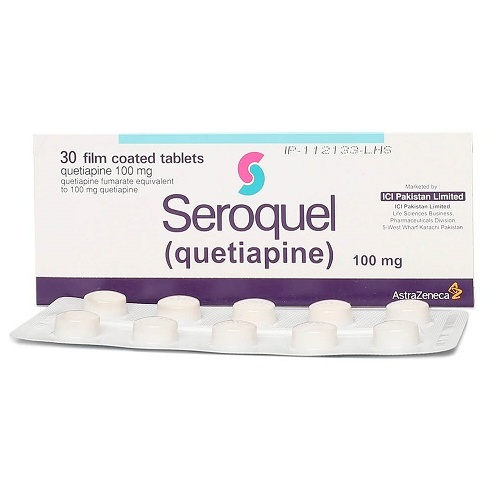
- Original Seroquel packaging (brand): Manufactured by AstraZeneca, comes in sealed blister packs with uniform tablet color (white or light yellow for immediate-release, light orange for extended-release), clear labeling, and a unique lot number.
- Legitimate generics: Produced by FDA-approved manufacturers (e.g., Teva, Sandoz). Packaging and tablet appearance may differ, but labeling must include “Quetiapine,” strength, NDC (National Drug Code), and the manufacturer’s details.
- Security features: Many U.S. pharmacies now provide QR codes or holograms on packaging for verification.
- Red flags for counterfeits: Misspelled brand name, inconsistent logo or font, missing FDA-required labeling, unusually low price, lack of lot/batch number, or tablets with chipped edges or discoloration.
- Generics vs. Brand: Generics contain the same active ingredient and are FDA-approved for bioequivalence. Inactive ingredients (excipients) may differ and could cause allergic reactions in sensitive individuals, but quality is regulated. Generics are significantly less expensive and widely used in the United States.
If you suspect a counterfeit, do not take the medication and report it immediately to your pharmacy and the FDA’s MedWatch program.
What Should I Do If I Take Too Much Seroquel? (Overdose Response)
- Stop taking Seroquel immediately.
- Call 911 or Poison Control (1-800-222-1222) in the United States without delay.
- Provide emergency responders with the name of the medication, strength, quantity ingested, and time of ingestion.
- Do not induce vomiting or attempt self-treatment.
- If possible, bring the medication bottle or packaging to the hospital.
Symptoms of overdose may include extreme drowsiness, fast or irregular heartbeat, low blood pressure, seizures, or loss of consciousness. Overdose can be fatal—prompt action saves lives.
Quality Check: What Should Authentic Seroquel Look Like in the United States?
- Shape/Color: Brand Seroquel IR tablets are usually round, white (25 mg: peach), marked with dosage and “SEROQUEL” imprint. Extended-release tablets are oblong and light orange or yellow.
- Branding: The packaging should have clear “Seroquel” branding, dosage, NDC, and AstraZeneca logo (for brand) or the generic manufacturer’s identifier.
- Packaging: Sealed blister packs or pharmacy bottles with proper labeling, batch numbers, and expiration dates.
- Security features: Possible QR code or hologram (increasingly common by 2026).
- Generics: Tablet color, shape, and imprint will vary by manufacturer but must be consistent within each package; check with your pharmacist if unsure.
Psychological Support: Remember, Mental Health Conditions Are Common and Treatable
If you or someone you know is struggling with symptoms of psychosis, bipolar disorder, or depression, know that you are not alone. Millions of Americans manage similar conditions every year. Open communication with your provider and support network can make a significant difference. Don’t hesitate to seek help from mental health professionals or reach out to supportive family, friends, or counseling services.
Questions Patients Often Ask Their Doctor About Seroquel
-
How will I know if Seroquel is working for me?
Most patients notice gradual improvements in mood, thinking, and sleep. However, full effects—especially on mood symptoms—often take several weeks. Track changes in symptoms and share updates with your provider at each visit. -
What should I do if I feel excessively sleepy or can’t wake up in the morning?
This is a common side effect, especially when starting Seroquel or increasing the dose. Avoid driving or operating machinery until you know how you react. If sedation becomes problematic, speak with your provider about adjusting dosing time or considering alternatives. -
Can I take Seroquel alongside my other medications?
Many patients safely use Seroquel with other drugs, but interactions are possible. Always provide a complete list of all medications, supplements, and over-the-counter products to your prescriber and pharmacist. -
How often will I need lab tests or follow-up appointments?
Expect regular follow-ups—often every few weeks when starting, then every 3–6 months once stable. Blood tests (glucose, lipids, liver function) are typically checked at baseline, 3 months, and yearly, or as advised by your provider. -
Is it safe to use Seroquel for sleep if I don’t have a mental health disorder?
Seroquel is not FDA-approved for primary insomnia and off-label use for sleep is discouraged due to risks of metabolic and other side effects. Safer alternatives are usually available; discuss your sleep concerns with your provider. -
What should I do if my symptoms return, even while taking Seroquel?
Contact your prescriber promptly. Sometimes, dose adjustments or additional therapies are needed. Do not increase your dose without medical supervision. -
Will Seroquel cure my mental health condition?
Seroquel helps control symptoms but is not a cure. Many mental health conditions require ongoing management, combining medication with psychotherapy and lifestyle interventions.
Frequently Asked Questions About Seroquel in the United States
Is Seroquel available over-the-counter in the United States?
No. Seroquel is available by prescription only and cannot be legally purchased over-the-counter in the United States.
How quickly does Seroquel start working?
Some patients notice improvement in sleep and agitation within days, but full effects on mood and psychotic symptoms may require two to six weeks of regular use.
What is the current price of Seroquel in the United States?
As of 2026, generic quetiapine tablets may cost as little as $0.50 per tablet, while brand-name Seroquel can cost $5–$6 per tablet. Prices depend on strength, formulation, pharmacy, and insurance coverage.
Can I order Seroquel online?
You can fill your prescription with a licensed U.S. online pharmacy that requires a valid prescription and is verified by the NABP. Avoid any website offering Seroquel without a prescription or shipping from outside the United States.
Does Seroquel cause dependence or withdrawal?
Seroquel is not considered addictive, but stopping abruptly can cause withdrawal symptoms and return of psychiatric symptoms. Always taper under medical supervision.
What foods or drinks should I avoid with Seroquel?
Avoid alcohol and grapefruit juice. Both can interact dangerously with Seroquel, increasing side effect risks.
Can Seroquel be used during pregnancy?
Seroquel may be used during pregnancy only if the benefits outweigh the risks. Discuss risks and alternatives with your healthcare provider.
How is Seroquel different from other antipsychotics?
Seroquel is less likely to cause movement disorders but more associated with sedation and weight gain compared to some alternatives. Always discuss medication choice with your provider.
Do I need regular blood tests with Seroquel?
Yes. Blood tests for glucose, lipids, and liver function should be done regularly to monitor for metabolic and liver-related side effects.
Can Seroquel be split or crushed?
Do not split, chew, or crush Seroquel tablets unless they are scored and your pharmacist confirms it is safe for your specific formulation.
What should I do if I miss a dose?
Take your next dose at the usual time. Do not double up. If unsure, contact your healthcare provider for instructions.
Clinical Assessment by the Doctor: Who Benefits Most from Seroquel and When to Consider Alternatives
As a practicing physician specializing in mental health, I find Seroquel particularly valuable for patients with bipolar disorder who experience both manic and depressive episodes, as well as those with schizophrenia who have not tolerated typical antipsychotics. Patients who have significant anxiety or sleep disruption as part of their illness profile may also benefit from Seroquel’s sedative properties. However, I am cautious in prescribing it to individuals with a history of obesity, diabetes, or cardiovascular disease, given its strong association with weight gain and metabolic disturbances. For elderly patients, the risk of falls and cardiac complications means that alternative medications may sometimes be safer. When patients require rapid control of agitation or aggression, other antipsychotics with faster onset may be considered. Ultimately, medication choice must be individualized, weighing symptom profile, comorbidities, previous treatment responses, and patient preference. If Seroquel’s side effects become unmanageable, or if metabolic testing reveals early complications, I do not hesitate to discuss dose adjustment or alternative options.
References
- U.S. Food and Drug Administration (FDA), Seroquel (quetiapine fumarate) Prescribing Information, 2026. FDA
- National Institutes of Health, MedlinePlus, Quetiapine, Accessed 2026. MedlinePlus
- American Psychiatric Association, Practice Guideline for the Treatment of Patients with Schizophrenia, 2024. APA
- Mayo Clinic, Quetiapine (Oral Route), Accessed 2026. Mayo Clinic
- National Association of Boards of Pharmacy (NABP), Buying Medicine Online, 2026. NABP
- PubMed, Recent Reviews on Quetiapine Pharmacodynamics and Side Effect Profiles, Accessed 2024–2026. PubMed


