
Blog
Buy Antabuse Without Prescription in the United States Online

- Home/
- Buy Antabuse Without Prescription in the United States Online
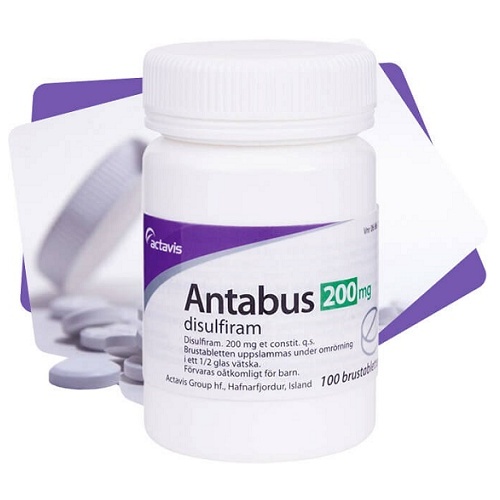
Table of Contents
- Antabuse in the United States: Quick Facts
- Is Antabuse Prescription-Only in the US?
- How Does Antabuse Work? (Mechanism of Action Explained)
- How Should Antabuse Be Taken? (Dosage, Timing, and Duration)
- What Should I Avoid While Taking Antabuse? (Food, Alcohol, and Lifestyle Interactions)
- Who Should NOT Take Antabuse? (Contraindications and Cautions)
- What Side Effects Are Most Common With Antabuse?
- How Does Antabuse Compare With Alternatives?
- Antabuse: Key Characteristics At a Glance
- How Can I Legally Obtain Antabuse in the US? (Step-by-Step Guide)
- How Can I Spot Counterfeit Antabuse?
- What Should I Do in Case of Overdose?
- Does Antabuse Affect Special Populations Differently?
- Is There a Difference Between Brand and Generic Antabuse?
- Alcohol Dependence: A Treatable Condition
- Frequently Asked Questions (FAQ)
- References
- About the Author
Antabuse in the United States: Quick Facts
| Parameter | Details |
|---|---|
| Active Ingredient | Disulfiram |
| Intended Use | Alcohol Dependence (maintenance of abstinence) |
| Prescription Required | Yes; illegal to obtain without prescription in the US |
| Main Contraindication | Severe heart/liver disease, psychosis, recent alcohol use |
| Onset of Effect | Within 1–2 hours (after ingestion) |
| Key Risk | Severe reaction if alcohol is consumed |
| Availability | All US states; both brand and generic forms |
Bottom line: Antabuse (disulfiram) is available by prescription only in the US and should always be used under medical supervision for alcohol dependence.
Is Antabuse Prescription-Only in the US?
Yes, Antabuse (disulfiram) is classified as a prescription-only medication in the United States. It is regulated by the Food and Drug Administration (FDA). Only a licensed healthcare professional—such as a physician, psychiatrist, or addiction specialist—can prescribe it for alcohol dependence.
Buying Antabuse without a prescription is illegal and unsafe in the US. The only legal ways to obtain Antabuse are through a local pharmacy (with a paper or electronic prescription) or a licensed US-based telehealth provider (where a virtual consultation results in an electronic prescription sent directly to a pharmacy).
US regulations prohibit pharmacies from dispensing Antabuse without a valid prescription. Some online sources may appear to offer disulfiram “without prescription”—these are illegal and pose significant risks (counterfeit products, legal consequences, health dangers).
Myth vs Reality:
Myth: “I can buy Antabuse online from any website to save money.”
Reality: Only pharmacies licensed in the US, with a valid prescription, can legally dispense Antabuse. Anything else is risky and illegal.
How Does Antabuse Work? (Mechanism of Action Explained)
Antabuse (disulfiram) works by disrupting the normal breakdown of alcohol in your body. Biochemically, disulfiram inhibits the enzyme called aldehyde dehydrogenase (ALDH). Normally, when you drink alcohol (ethanol), your liver first converts it to acetaldehyde (toxic), then rapidly converts that to harmless acetic acid. Disulfiram blocks that second step. As a result, acetaldehyde builds up in your system.
This causes a highly unpleasant reaction if any alcohol is ingested:
- Flushing (redness of skin)
- Throbbing headache
- Nausea and vomiting
- Palpitations (racing heart)
- Breathlessness
- Low blood pressure, dizziness, and risk of collapse
The aim is to create a strong negative association with alcohol, making continued use physically intolerable.
In short: Antabuse doesn’t reduce craving or withdrawal—it creates an “aversive reaction” to drinking. It works only if you remain motivated and alcohol-free before starting. It does not cure alcohol dependence, but supports abstinence by making relapse physically distressing.
Analogy: Imagine your body as a chemical factory. Alcohol enters, gets partially processed, but then hits a chemical roadblock. Toxic fumes (acetaldehyde) build up in the system, triggering the alarm—this is how Antabuse deters drinking.
Note: Disulfiram’s effect is purely pharmacological. It does not address the psychological drivers behind addiction. Thus, combining Antabuse with counseling or behavioral therapy is strongly recommended.
Scientific support: Recent reviews (PubMed, 2022) confirm that disulfiram’s effect is consistent across populations, provided compliance is maintained.
How Should Antabuse Be Taken? (Dosage, Timing, and Duration)
- Standard Adult Dose:
- Usually, 250 mg once daily (tablet form), started at least 12 hours after the last alcoholic drink.
- Maximum Dose:
- Not to exceed 500 mg per day, except under close supervision in hospital settings.
- Onset of Effect:
- 1–2 hours after ingestion; aversive reaction can occur for up to 14 days after last dose.
- Tablet Splitting:
- Most Antabuse tablets (250 mg) can be split, but always check with your pharmacist for product-specific guidance.
- Duration of Therapy:
- Varies—often 3–12 months, based on individual treatment goals and medical advice.
- Special Populations:
- Lower starting doses (125 mg/day) may be required in elderly patients, those with mild liver/kidney dysfunction, or when side effects are a concern.
Important: Do not start Antabuse unless you have been alcohol-free for at least 12 hours, ideally longer. Blood alcohol must be zero to avoid life-threatening reactions.
Missed Dose: Take as soon as remembered, unless it’s almost time for the next dose. Do not double up doses.
Discontinuation: Always consult your doctor before stopping. The disulfiram-alcohol reaction can still occur up to 1–2 weeks after your last dose.
What Should I Avoid While Taking Antabuse? (Food, Alcohol, and Lifestyle Interactions)
Alcohol
- All forms of alcohol are strictly prohibited.
- Includes not only drinks, but also cough syrups, mouthwashes, sauces, vinegars, aftershaves, perfumes, and topical products containing alcohol.
- Even tiny amounts (as little as 10 mL of wine) can trigger a severe reaction.
Food
- No specific food restrictions, but check labels for hidden alcohol content.
- High-fat meals do not significantly alter absorption, so Antabuse can be taken with or without food.
Other Substances
- Grapefruit juice: No significant interaction reported with disulfiram.
- Nicotine, caffeine: No direct interactions.
- Some medications (see “Compatibility Check” below): Always review with your prescriber or pharmacist.
Compatibility Check
| Product Type | Safe to Combine? | Potential Consequences |
|---|---|---|
| Aspirin | Yes | No significant interaction |
| Metronidazole (antibiotic) | STRICTLY NO | Severe mental status changes (psychosis or confusion) |
| Warfarin (blood thinner) | Monitor closely | Increased blood-thinning effect |
| Antidepressants (SSRIs, SNRIs) | Usually | Check with prescriber |
| Opioid pain medications | Usually | Monitor for CNS side effects |
| Nitroglycerin (for angina) | STRICTLY NO | Risk of profound drop in blood pressure |
Always disclose all medications and supplements to your provider before starting Antabuse.
Who Should NOT Take Antabuse? (Contraindications and Cautions)
Absolute Contraindications
- Severe heart disease (especially coronary artery disease, recent heart attack, heart failure)
- Severe liver dysfunction or cirrhosis
- Psychosis or severe psychiatric disorders
- Known allergy to disulfiram or thiuram derivatives (used in some pesticides and rubber)
- Recent use of alcohol (within past 12 hours)
Relative Contraindications (Use With Caution)
- Mild-to-moderate liver or kidney impairment (requires dose adjustment and close monitoring)
- Older adults (increased sensitivity)
- Pregnancy and breastfeeding (not recommended; only if benefits clearly outweigh risks)
- History of diabetes, hypothyroidism, epilepsy, or chronic respiratory disease (requires monitoring)
Why? Because disulfiram’s effects—especially the alcohol reaction—can stress the heart and liver, and certain psychiatric conditions may worsen with its use.
Resuming therapy after a cardiac event: Must only be done under specialist supervision, and usually not within 2-3 months of the event.
What Side Effects Are Most Common With Antabuse?
| Frequency | Examples | Mechanism/Advice |
|---|---|---|
| Very Common (>1 in 10) | Drowsiness, mild headache, metallic/garlic-like aftertaste | Often fades with time; take with food to reduce taste issues |
| Common (1 in 100–1 in 10) | Acne-like rash, tiredness, mild liver enzyme elevations | Monitor; see doctor if persistent or severe |
| Uncommon/Rare (1 in 1,000 or less) | Peripheral neuropathy (numbness, pins-and-needles), allergic reaction | Stop medication and seek medical attention |
| Very Rare (<1 in 10,000) | Liver failure, psychosis, optic neuritis, seizures | Medical emergency; discontinue and seek care immediately |
- If you experience any allergic symptoms (rash, swelling, difficulty breathing), stop Antabuse and seek emergency care.
- If side effects are mild (taste, fatigue), discuss with your doctor before making changes.
How Does Antabuse Compare With Alternatives?
| Criteria | Antabuse (Disulfiram) | Naltrexone | Acamprosate |
|---|---|---|---|
| Mechanism | Alcohol aversive agent (ALDH inhibition) |
Opioid receptor antagonist (blocks euphoria from alcohol) |
Modulates brain glutamate/GABA (reduces cravings) |
| Onset | 1–2 hours | 2–3 days | 3–8 days |
| Key Side Effect | Severe alcohol reaction | Nausea, headache | Diarrhea |
| Alcohol Abstinence Required? | Yes (critical) | No, but recommended | No, but recommended |
| Prescription Needed | Yes | Yes | Yes |
| Price (approx. per month, 2026) | $35–$80 (generic) in US | $40–$120 (generic/brand) | $60–$120 (generic/brand) |
| Insurance Coverage | Often/varies Medicaid & many plans |
Often/varies | Often/varies |
| Best For | Highly motivated, abstinent patients | Reducing heavy drinking, less focus on abstinence | Supporting abstinence |
Key Takeaway: Antabuse is unique in causing a physical deterrent to alcohol use. Naltrexone and acamprosate target cravings and brain chemistry. Choice depends on patient goals, medical history, and response.
Antabuse: Key Characteristics At a Glance
| Characteristic | Value |
|---|---|
| Formulation | Tablet (most common: 250 mg, 500 mg) |
| Metabolism Site | Liver |
| Half-life | ~60–120 hours (active metabolite) |
| Elimination | Urine (mainly), feces |
| Driving/Machinery | Use caution; may cause drowsiness |
| Pregnancy Category | Not recommended (risk vs benefit) |
How Can I Legally Obtain Antabuse in the US? (Step-by-Step Guide)
-
Consult a Healthcare Provider:
- Make an appointment with a primary care doctor, addiction specialist, or psychiatrist in your area (e.g., New York City, Chicago, Los Angeles), or use a licensed US-based telemedicine service.
-
Assessment and Diagnosis:
- Your provider will review your alcohol use history, medical conditions, medications, and perform necessary lab tests (liver, kidney function).
-
Receive Prescription:
- If appropriate, your provider will issue a prescription—paper or electronic (eRx)—for Antabuse or generic disulfiram.
-
Fill Prescription:
- Present the prescription at a local US pharmacy (CVS, Walgreens, Walmart, independent pharmacies) or through a licensed mail-order pharmacy.
-
Follow Up:
- Regular follow-up appointments are essential to monitor effectiveness, manage side effects, and support abstinence.
Tip: Most US insurance plans, including Medicaid, may cover Antabuse. Check with your insurer for details.
How Can I Spot Counterfeit Antabuse?
- Original Antabuse (US market): Supplied as round white tablets, often with “DISULFIRAM” and dose (e.g., “250”) engraved. Packaging should state the manufacturer’s name (e.g., Taro, Teva), lot number, NDC (National Drug Code), and FDA approval.
- Packaging: Sealed blister packs or bottles, US pharmacy labeling. Check for tamper-evident seals. Some manufacturers include QR codes or holograms on bottles (new as of 2025-2026).
- Warning signs of counterfeit: Misspelled labels, unusual pill shape/color, missing NDC, price far below pharmacy rates, no prescription needed to buy, poor print quality, or packaging in a non-English language.
- What about generics? FDA-approved generics (disulfiram) may have different markings or bottle designs but must be dispensed through a US-licensed pharmacy with full labeling and safety information.
Never purchase Antabuse from websites selling “without prescription” or shipping from outside the US. These sources are illegal and often supply counterfeits, which can be ineffective or dangerous.
If in doubt: Compare your medication to images on the manufacturer’s website or consult your pharmacist.
What Should I Do in Case of Overdose?
- Stop taking Antabuse immediately.
- Call 911 or your local emergency number in the US.
- Inform emergency personnel of the dose and time taken, and whether alcohol was also consumed.
- Do not attempt to induce vomiting unless instructed by a professional.
- Bring the medication bottle or packaging to the hospital.
Symptoms of Overdose: Nausea, vomiting, confusion, agitation, low blood pressure, difficulty breathing, seizures, cardiovascular collapse.
Overdose can be fatal—treatment is urgent and may require hospital admission.
Does Antabuse Affect Special Populations Differently?
- Elderly: Greater risk of drowsiness, confusion, and falls. Lower starting doses (125 mg/day) are often recommended.
- Liver/Kidney Impairment: Increased risk for toxicity. May require dose reduction or avoidance.
- Pregnancy/Breastfeeding: Not routinely recommended. Human data are limited; animal studies show possible risk. Use only if benefits outweigh risks.
- Diabetes or Epilepsy: Disulfiram may worsen blood sugar control or seizure risk. Careful monitoring required.
- Driving and Machinery: May cause drowsiness or confusion, especially when starting therapy. Do not operate vehicles or heavy equipment until you know how Antabuse affects you.
- Fertility and Family Planning: No known direct effect on fertility; consult your provider if you have concerns.
Is There a Difference Between Brand and Generic Antabuse?
- Generic disulfiram (approved by FDA) is considered clinically equivalent to brand-name Antabuse.
- Excipients: Inactive ingredients may vary between brands and generics (binders, fillers, colorants). Allergic reactions are rare but possible—discuss with your pharmacist if you have known allergies.
- Price: Generics cost less (typically $35–$60/month in 2026, depending on pharmacy and insurance). Brand Antabuse may be more expensive, with no proven clinical advantage.
- Both require a prescription from a US-licensed provider.
Tip: Buy only from US-licensed pharmacies, and ask for FDA-approved generics to save money safely.
Alcohol Dependence: A Treatable Condition
You’re not alone—millions of Americans face alcohol dependence, and recovery is possible. Antabuse can support abstinence, but it’s most effective when combined with behavioral therapy, mutual-support groups (such as AA), or counseling.
What if Antabuse “doesn’t work” for me? It doesn’t address cravings or underlying causes—talk to your provider about alternatives, and don’t hesitate to seek support from addiction specialists in your city (e.g., Boston, Houston, Seattle).
Consider discussing your condition with a trusted friend, partner, or counselor. Many find that a combination of medication and support offers the best chance at lasting recovery.
Frequently Asked Questions (FAQ)
- Can Antabuse be taken daily?
- Yes, Antabuse is prescribed as a daily medication (typically 250 mg once daily), unless your doctor advises otherwise.
- Is it safe to drink alcohol while taking Antabuse?
- No. Drinking alcohol while on Antabuse can cause a severe, potentially life-threatening reaction. Avoid all sources of alcohol.
- How long does Antabuse stay in your system?
- The effects can last up to 14 days after the last dose, due to slow elimination of its active metabolites.
- Can I buy Antabuse online without a prescription in the US?
- No. It is illegal and unsafe to buy Antabuse without a prescription in the US. Only US-licensed pharmacies can dispense it with a valid prescription.
- Does insurance cover Antabuse?
- Many US insurance plans (including Medicaid) cover generic disulfiram, but coverage varies. Check with your plan.
- What should I do if I miss a dose?
- Take the missed dose as soon as possible, unless it’s almost time for your next dose. Do not double doses.
- Are there long-term side effects?
- Most side effects are mild and fade with time. Rarely, liver toxicity or nerve issues may develop—your doctor will monitor your health with periodic tests.
- Can Antabuse be used together with other alcohol dependence medications?
- Not usually. Combining with naltrexone or acamprosate is not standard practice; discuss all medication plans with your provider.
- What if I experience a reaction after accidental alcohol intake?
- Seek emergency medical attention immediately, especially if you have chest pain, difficulty breathing, or collapse.
- Where can I find qualified addiction specialists in the US?
- Use resources such as the SAMHSA Treatment Locator or ask your primary care provider for a referral.
References
- FDA. “Disulfiram (Antabuse) Prescribing Information.” FDA.gov, Accessed June 2026.
- Skinner MD, Lahmek P, Pham H, Aubin HJ. “Disulfiram efficacy in the treatment of alcohol dependence: a meta-analysis.” PLOS One. 2018;13(12):e0209609. PubMed
- Mayo Clinic. “Disulfiram (Oral Route) Proper Use.” Mayo Clinic, Accessed June 2026.
- Substance Abuse and Mental Health Services Administration (SAMHSA). “Find Treatment.” SAMHSA.gov
- National Institute on Alcohol Abuse and Alcoholism. “Alcohol Use Disorder: A Comparison Between Medications.” NIAAA.gov, Accessed June 2026.
- Egli M, Koob GF, Edwards S. “Alcohol dependence: neurobiology and clinical management.” JAMA. 2021;325(3):222-236. JAMA
- American Society of Addiction Medicine (ASAM). “National Practice Guideline for the Treatment of Alcohol Use Disorder.” 2024. ASAM.org


