
Blog
Buy Lasix Online in the United States – Fast Delivery Available

- Home/
- Buy Lasix Online in the United States – Fast Delivery Available
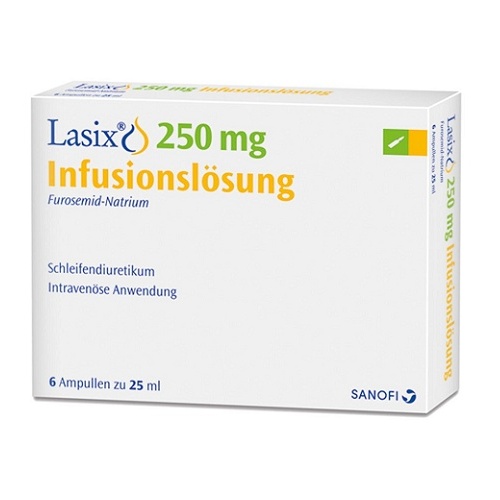
Lasix (furosemide) helps your body get rid of extra fluid, easing swelling and shortness of breath for people living with edema. In the United States, it’s prescription-only—and the single most crucial thing to know is that while Lasix can bring rapid relief, it can also tip your body’s balance of water and minerals. Close monitoring isn’t optional; it’s what keeps this medication safe and effective.
A Scene You Know: Edema, Frustration, and the Promise of Lasix
It’s 2 a.m. in a small apartment outside Chicago. Your legs throb as you swing them over the side of the bed. You press a thumb into your ankle, watch the imprint linger, and wonder if the swelling will ever go down. You’ve tried propping up your legs, cutting salt, even wearing those thick compression socks until your skin itches. Nothing seems to shift the weight that pools beneath your skin.
Edema isn’t just a medical term—it’s a daily grind. For many Americans with heart failure, liver disease, kidney issues, or chronic venous insufficiency, that relentless swelling means more than discomfort. It means fatigue, shortness of breath, and a sense that your body is working against you.
“Patients don’t come in asking for furosemide by name. They just want to walk up the stairs without gasping, or tie their shoes without a struggle. The promise of Lasix isn’t in the textbook—it’s in that first morning you wake up and realize your slippers fit again.”
- Lasix is not a cure for edema, but for many, it is the difference between immobility and movement.
- Its effects can be dramatic, but the risks are real—and not always predictable.
- Success with Lasix depends as much on your circumstances and health history as it does on the drug itself.
Before you dive into what Lasix can do, pause here: the relief is real, but so are the trade-offs. This article is about seeing both sides, in plain English—so you can step into your next appointment prepared, not just hopeful.
What Happens When You Start Lasix: Real Relief, Real Limits
The first day on Lasix can feel like magic for some. Swelling melts away; breathing gets easier; the scale finally drops. But the story is rarely that simple for long. Most patients notice a surge in urination within an hour of taking a dose—sometimes urgent, sometimes relentless, always impossible to ignore.
After the initial rush, the benefits settle in. For those with severe edema, shoes fit better, pants button easier, and the mirror feels less foreign. But over days and weeks, your body may adapt. The swelling can creep back if the underlying cause isn’t addressed, if dietary salt sneaks in, or if your kidneys begin to falter. This is not failure—this is the natural push-and-pull of treating edema.
Here’s what you can—and cannot—expect from Lasix in real life:
- Rapid Fluid Loss: Many people see measurable weight change within 24 hours, but this is water, not fat. The effect is strongest in the first few doses.
- Tolerance and Plateau: Over time, your body might retain more sodium and water, blunting Lasix’s effect. Sometimes the dose is increased; sometimes, another diuretic is added.
- Electrolyte Ups and Downs: Potassium, sodium, and even calcium levels can swing. This is why your doctor checks your labs—often, and sometimes unexpectedly.
- Variable Duration: Relief can last 6-8 hours or stretch longer, depending on kidney function and dose. Miss a dose, and swelling may return quickly.
If you’re expecting a one-time fix, Lasix will disappoint you. But if you’re ready for a partnership—with your doctor, your pharmacist, and your own daily routine—it can become a linchpin in managing edema. Expect adjustments. Expect monitoring. Expect to be an active participant, not a passive recipient.
How Furosemide Works in Your Body—And Why That Matters for Edema
Furosemide is not just a water pill. It’s a loop diuretic, targeting the thick ascending limb of your kidney’s loop of Henle—a microscopic channel where your body decides how much salt and water to reclaim or discard. By blocking reabsorption of sodium and chloride, furosemide forces your kidneys to dump both salt and water into your urine. The result: swelling retreats, but so do key electrolytes.
- Loop Diuretic
- A class of medications that act on a specific portion of the kidney’s filtering system to promote fluid loss. Other examples: bumetanide, torsemide.
- Electrolyte
- Minerals like sodium, potassium, and calcium that help nerves, muscles, and your heart function correctly. Lasix can cause rapid changes in their levels.
What sets furosemide apart from other diuretics?
- Potency: Lasix pulls off more fluid, faster, than thiazide diuretics (like hydrochlorothiazide).
- Speed: Taken by mouth, it usually starts working within 30-60 minutes. By IV, within minutes.
- Duration: It doesn’t last all day—most effects taper within 6-8 hours, so timing matters.
- Variable Response: Two people, same dose: one needs extra potassium, the other struggles to keep their blood pressure steady.
For patients with certain types of heart failure or kidney problems, furosemide’s fast action is not just useful—it’s essential. Quick removal of fluid can mean the difference between staying home and a trip to the ER. But that same potency demands respect. Too much, too fast, and your blood pressure can crash, or your potassium levels may plunge dangerously low. Other medications—NSAIDs, some blood pressure pills, or lithium—can interact, amplifying risks.
Lasix is not a precision tool. It’s a powerful lever. Every use is a balance between benefit and risk, which is why your doctor looks not just at your swelling, but at your labs, your pulse, and your daily routine.
Taking Lasix in Real Life: Habits, Hurdles, and What to Watch For
Lasix doesn’t just change your swelling. It changes your mornings, your travel plans, and even your grocery list.
- Timing is everything. Take Lasix late in the day, and you might be up all night running to the bathroom. Most patients do best with an early morning dose. If you take it twice a day, the last dose is usually mid-afternoon, not evening.
- Meals don’t matter much. Lasix works with or without food, but some people find it rougher on the stomach if taken on an empty belly.
- Salt is your frenemy. Crave fries? The more sodium you eat, the harder Lasix has to work—and the less effective it may become over time.
- Hydration is a moving target. You need to drink enough to avoid dehydration, but not so much that the swelling returns. This balance takes trial, error, and honest communication with your doctor.
- Tablets and liquids exist. In the US, Lasix is most commonly dispensed as tablets (20mg, 40mg, 80mg). Liquid formulations are available for people who can’t swallow pills.
Miss a dose? Don’t double up—unless specifically told by your doctor. Forgetting one dose is rarely an emergency, but missing several can cause swelling and symptoms to spike.
| Setting | Starting Dose | Typical Range | Maximum Daily Dose | Adjustment Factors |
|---|---|---|---|---|
| Outpatient (Mild Edema) | 20-40 mg once daily | 20-80 mg once or twice daily | 600 mg/day | Kidney function, response |
| Hospitalized (Severe Edema) | 40-80 mg once | 80-200 mg per day in divided doses | 600 mg/day | Response, labs, comorbidities |
| Chronic Kidney Disease | 40-80 mg/day | 80-200 mg/day or higher | Variable, monitor closely | GFR, electrolytes, BP |
Note: Dosing for children, elderly, or those with liver disease is more nuanced and always physician-guided. Never change your dose without explicit medical advice.
For many, the challenge isn’t taking Lasix—it’s sticking with the plan when life intervenes. A surprise dinner out, a new prescription, or a viral bug can all tip your fluid balance. Keep a log of your weight, swelling, and how you feel. These notes tell your doctor what lab tests can’t.
Lasix vs. Its Rivals: Which Edema Medication Fits Best?
Choosing a diuretic isn’t like picking a new pair of sneakers. The best choice depends on what’s causing your edema, your other medical problems, and how your body responds to each medication. Lasix is not always the best (or only) option, but it’s often the first loop diuretic chosen in the US because of its track record, availability, and flexibility in dosing. Where does it stand alongside bumetanide, torsemide, and thiazides?
| Attribute | Lasix (Furosemide) | Bumex (Bumetanide) | Demadex (Torsemide) | Hydrochlorothiazide |
|---|---|---|---|---|
| Class | Loop Diuretic | Loop Diuretic | Loop Diuretic | Thiazide Diuretic |
| Usual Onset (Oral) | 30-60 min | 30-60 min | 60 min | 2 hr |
| Duration (hours) | 6-8 | 4-6 | 8-12 | 6-12 |
| Strength | 20, 40, 80 mg | 0.5, 1, 2 mg | 5, 10, 20, 100 mg | 12.5, 25, 50 mg |
| Effectiveness in Severe Edema | High | Very High | High | Low-Moderate |
| Electrolyte Disturbance Risk | High | High | Similar to Lasix | Moderate |
| Renal Impairment Use | Widely used | Preferred in severe impairment | Good, but data less robust | Ineffective if GFR <30 mL/min |
| Cost (US) | Low (generic) | Low-Moderate | Low-Moderate | Very Low |
| Prescription Required? | Yes | Yes | Yes | Yes |
| Once-Daily Dosing Feasible? | Sometimes | Rarely | Yes (longer half-life) | Yes |
Table interpretation: Lasix is a proven workhorse, especially for acute or severe edema. If you need a longer-acting option, torsemide offers more stable blood levels. Bumetanide packs power in a tiny tablet—useful when your gut isn’t absorbing Lasix well. Thiazides are for mild fluid retention or when you need a boost alongside a loop. Insurance coverage for all is generally good, though generic Lasix is typically the cheapest out-of-pocket option.
doctor’s perspective: “In clinic, the decision comes down to more than chemistry—sometimes it’s about what the patient can take consistently, what their insurance will cover, or what they’ve already tried and failed. Lasix is often our first stop because we know its rhythm and how to manage its side effects. But don’t get attached to the name: if Lasix isn’t working for you, there are real alternatives, and a switch is not a failure—it’s a new strategy.”
Bottom line: If Lasix works for you and you can tolerate it, there’s rarely a reason to switch. If not, options exist—each with its own quirks, strengths, and limitations. Your experience, not the label, will guide the next step.
Which Side Effects Matter Most with Lasix—and When to Act
Most people taking Lasix will urinate more, sometimes a lot more. But the side effects that truly matter go beyond inconvenience—they can be silent, sudden, or dangerous if missed.
Common Side Effects—What’s Expected?
- Frequent urination, especially within hours of dosing
- Thirst or dry mouth
- Dizziness or lightheadedness, particularly when standing
- Cramping or muscle weakness (often from potassium loss)
- Mild increases in blood sugar or uric acid (may trigger gout in susceptible individuals)
Serious Risks—Who’s Vulnerable?
- Electrolyte Imbalance: Low potassium (hypokalemia), low sodium (hyponatremia), or low magnesium can cause fatigue, arrhythmias, or seizures. Older adults and those with kidney or heart disease are at highest risk.
- Kidney Injury: Too much fluid loss can strain the kidneys, especially if you’re dehydrated or taking NSAIDs.
- Low Blood Pressure (Hypotension): Dizziness, fainting, or even falls can occur if your blood pressure drops too low.
- Hearing Issues: High doses, especially IV, have been tied to reversible (sometimes permanent) hearing loss—but this is rare at standard doses.
- Rash or Severe Allergic Reaction: Rare, but any trouble breathing, swelling, or spreading rash needs immediate attention.
| Side Effect | How Common? | When to Call Your Doctor |
|---|---|---|
| Electrolyte low (K+, Na+) | Common (10-20%) | Muscle cramps, weakness, confusion, palpitations |
| Dehydration | Occasional | Severe thirst, dry mouth, dizziness, low urine output |
| Low blood pressure | Occasional | Fainting, severe dizziness, chest pain |
| Hearing loss or ringing | Rare (<1%) | New hearing changes, even if mild |
| Serious allergic reaction | Very Rare | Swelling, trouble breathing, rash spreading rapidly (call 911) |
| Gout attack | Uncommon | Sudden joint pain, swelling, redness (especially in the big toe) |
For most, Lasix side effects are manageable and expected. But if you notice changes in mood, strength, heart rhythm, or mental clarity, don’t wait it out—these are moments when action is safer than stoicism. Lab monitoring, especially in the first weeks, isn’t bureaucracy—it’s what keeps you out of trouble.
When Lasix Is the Wrong Choice: Absolute and Relative Contradictions
Never take Lasix if:
- You have ever had a severe allergic reaction to furosemide or any sulfa-containing drug (not just a mild rash—real swelling, trouble breathing, or anaphylaxis).
- You cannot urinate at all (anuria). Lasix won’t work and can cause harm.
- Your doctor has specifically warned you against its use based on your labs or medical history.
Take extreme caution with Lasix if:
- You are pregnant or breastfeeding—risks and benefits must be weighed by your physician.
- Your potassium or sodium levels are already low.
- You have severe liver disease or are at risk for hepatic encephalopathy (Lasix can tip the balance).
- You’re taking medications that interact dangerously—especially aminoglycosides, digoxin, lithium, or NSAIDs.
- You are elderly or frail, as you are more likely to experience low blood pressure or falls.
Never start, stop, or change your dose of Lasix without checking with your healthcare provider. The consequences can be serious—and sometimes, irreversible.
Getting Lasix in the US: Prescriptions, Insurance, and What to Ask
Lasix is not an over-the-counter medication in the United States. It requires a prescription, whether you walk into your neighborhood pharmacy, use a telemedicine service, or receive care as an inpatient. The FDA regulates its safety and use, and for good reason: self-medicating with Lasix can be dangerous, especially without lab monitoring.
- Prescription Pathways: Most often, your primary care physician, cardiologist, or nephrologist prescribes Lasix after an in-person or telehealth appointment. Some outpatient clinics can initiate therapy, but follow-up is key.
- Pharmacy Access: Any licensed pharmacy can fill your prescription. Both brand-name (Lasix) and generic (furosemide) are widely available. Generics are bioequivalent and far less expensive.
- Insurance and Pricing: Most insurance plans, Medicare, and Medicaid cover generic furosemide at the lowest copay tier. Out-of-pocket prices are typically low (<$20/month for most regimens as of 2024). Brand-name Lasix is rarely prescribed except by patient request or when generics are unavailable.
- Refills and Monitoring: Don’t expect indefinite refills. Most providers require periodic lab monitoring and visits before approving ongoing use.
When discussing Lasix with your doctor or pharmacist, consider these questions:
- How often will my labs need to be checked?
- What should I do if I miss a dose or experience new symptoms?
- Are there any over-the-counter medications or supplements I should avoid?
- What signs mean I should call your office—or seek emergency care?
- Are there ways to make the cost more affordable if insurance does not cover it?
Access is not just about picking up a bottle. It’s about knowing whom to call, what to expect, and when to question whether the plan is working for you. Make your pharmacy a resource, not just a transaction.
FAQ: The Questions Patients Actually Ask About Lasix
- How quickly will Lasix start working on my swelling?
- Most people notice increased urination within an hour, and visible changes in swelling within the first 24 hours. The effect varies based on your underlying condition and kidney function. If you don’t notice any change after a day or two, let your doctor know.
- Can Lasix cause me to lose too much potassium? Should I take a supplement?
- Yes, Lasix often lowers potassium levels, which can be dangerous. Your doctor will usually monitor this with blood tests and may recommend a supplement or dietary changes. Never start a potassium supplement on your own without medical advice.
- What’s the difference between Lasix and generic furosemide? Is there any reason to choose the brand name?
- No meaningful difference exists for most patients. Generic furosemide is FDA-approved as bioequivalent to Lasix and is much less expensive. Occasionally, a patient may tolerate one version better, but most do equally well on either.
- Is it safe to take Lasix with my other blood pressure or heart medications?
- Often, yes—but some combinations increase the risk of side effects, especially low blood pressure or electrolyte imbalance. Always review your full medication list with your provider and pharmacist. Never stop or change your heart medications without professional input.
- Will I always need to take Lasix for edema, or can I stop if the swelling improves?
- Lasix treats the symptom—fluid overload—not the underlying cause. If your edema is controlled (for example, after heart failure stabilizes), your doctor may lower the dose or stop it. Never discontinue Lasix suddenly without a plan, as fluid can rapidly reaccumulate.
- Does Lasix interact with common over-the-counter drugs, like ibuprofen?
- Yes. NSAIDs (like ibuprofen or naproxen) can blunt Lasix’s effect and may increase kidney risk. Always check with your provider before adding any new medication, even over-the-counter ones.
- What should I do if I feel dizzy or faint after taking Lasix?
- Sit or lie down immediately. If the dizziness is mild and passes after a few minutes, monitor yourself. If you faint, fall, or the dizziness is severe or persistent, call your doctor. This can be a sign of low blood pressure or dehydration, both of which deserve close attention.
- How often will my blood need to be checked on Lasix?
- Typically, bloodwork is checked every 1-2 weeks when starting or changing your dose, then less frequently once you’re stable. However, any new symptoms (weakness, confusion, irregular heartbeat) may prompt immediate testing.
References
- U.S. Food and Drug Administration (FDA)
- Furosemide (Oral Route) – Mayo Clinic
- 2022 AHA/ACC/HFSA Guideline for the Management of Heart Failure, American College of Cardiology
- Lasix (furosemide) Prescribing Information, Sanofi-Aventis
- Diuretics (Water Pills) – National Kidney Foundation
- PubMed
- Clinical Practice Guidelines for Diuretic Use in Edema, American Society of Nephrology, 2023
- Centers for Disease Control and Prevention: Heart Disease


