
Blog
Buy Priligy in Online Pharmacy in United States

- Home/
- Buy Priligy in Online Pharmacy in United States
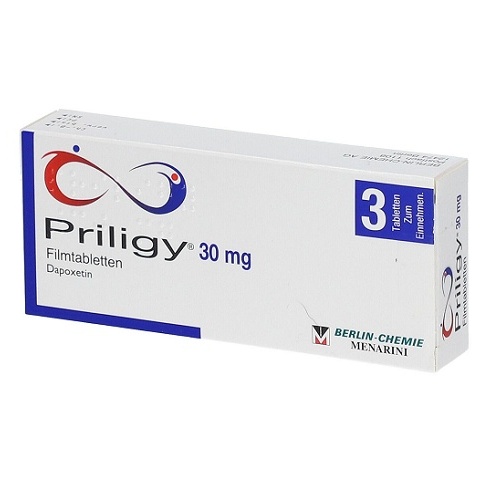
| Product Name | Priligy |
|---|---|
| Main Active Substance | Dapoxetine |
| Intended Use | Treatment of Premature Ejaculation in adult men |
| Dose Strengths Available | 30 mg, 60 mg tablets |
| How Quickly It Works | Typically within 1–3 hours after ingestion |
| Duration After Taking | Up to 4 hours of enhanced control |
| How to Take | As needed, not for daily use |
| Prescription Status in United States | Prescription required (FDA-regulated) |
| Estimated Price Range | $10–$30 per tablet, depending on pharmacy and dosage |
Priligy for Premature Ejaculation: A Guide for the United States
Priligy, containing dapoxetine, is a medication developed for men dealing with premature ejaculation. It is an FDA-approved prescription option available legally in the United States to help control and delay ejaculation during sexual activity. Understanding its role, suitability, and use is an important step toward making an informed treatment decision.
You Are Not Alone: Premature Ejaculation in Context
Premature ejaculation is not a rare problem, nor is it a personal failing. According to the American Urological Association, about 1 in 3 men in the United States experience symptoms of premature ejaculation at some point in their lives (AUA, 2021). It affects men of all backgrounds and ages, often causing stress in relationships and self-confidence. The encouraging fact is that this condition is both common and treatable, with several effective approaches now available.
How Priligy Addresses Premature Ejaculation
Priligy works by increasing the level and action time of serotonin in the nervous system. Serotonin is a chemical messenger involved in moderating sexual response. In men with premature ejaculation, serotonin signals are often too brief or weak, leading to a rapid climax. Dapoxetine, the active ingredient in Priligy, is a short-acting selective serotonin reuptake inhibitor (SSRI): it temporarily blocks the reabsorption of serotonin, enhancing its effect. The practical outcome for the patient is a longer time to ejaculation and a greater sense of control during sexual activity, usually felt within one to three hours after taking the tablet.
Who Should—and Should Not—Choose Priligy?
| Situation | Recommendation | Why |
|---|---|---|
| You experience ejaculation within one to two minutes nearly every time, and it creates distress or impacts your relationship | Priligy is likely suitable | Designed for lifelong or frequent premature ejaculation with clear distress or interpersonal issues |
| You want a medication that works only when you need it, without daily dosing | Priligy is appropriate | Taken as needed, not a long-term daily commitment |
| You have tried behavioral therapy or other non-drug options without sufficient improvement | Consider Priligy | Often prescribed when non-pharmacologic measures are insufficient |
| You are taking antidepressants or SSRIs already | Priligy may not be recommended | Risk of serotonin syndrome or interaction—doctor review required first |
| Your premature ejaculation is situational and not consistent (e.g., happens only with certain partners or under specific stress) | Priligy may not be the first choice | Addressing underlying causes (relationship, psychological) might be more effective than medication |
| You have significant heart, liver, or kidney conditions | Priligy is generally not suitable | Increased risk of adverse effects and complications |
These scenarios are not exhaustive—if you see yourself in more than one, or if you have a complex medical background, a healthcare provider’s assessment is strongly advised.
How to Use Priligy in Real Life
- Timing: Take Priligy 1 to 3 hours before anticipated sexual activity. Swallow the tablet whole with a full glass of water.
- Frequency: Do not take more than one tablet in a 24-hour period. Priligy is not intended for daily use, but only as needed.
- With or without food: Food does not significantly affect absorption, but taking it after a heavy meal may delay onset slightly.
- Missed dose: If you forget to take Priligy before sexual activity, do not double the dose later. Wait until the next appropriate occasion.
- If it doesn’t work: For some men, the first tablet may not provide the full effect. Clinical experience suggests evaluating after three attempts before deciding on effectiveness. If there is still no improvement, consult your physician for alternatives.
- After effects: Common effects—such as mild nausea or dizziness—can occur after the dose, but usually subside quickly. Avoid driving or hazardous activities for several hours afterward, especially with the first dose, until you know how you respond.
If symptoms persist or unexpected effects occur, consult a healthcare provider. Priligy should always be used in accordance with medical advice, especially if you have any underlying health conditions.
When Priligy Is Not Safe: Contraindications
- Significant heart problems: Priligy should not be used if you have a history of heart failure, conduction disorders (such as AV block), or other serious cardiac conditions, because the medication can alter heart rhythm and blood pressure.
- Severe liver impairment: Dapoxetine is metabolized in the liver; severe dysfunction increases risk of toxicity.
- Concomitant use of MAO inhibitors or thioridazine: This combination can cause dangerous interactions at the nervous system level.
- History of fainting (syncope): Priligy can lower blood pressure and increase the risk of sudden fainting.
- Under 18 years of age: Safety and effectiveness have not been established.
Always inform your healthcare provider about your full medical history before starting Priligy. This is critical for your safety.
What Side Effects Can You Expect?
- Frequently reported (more than 10%): Nausea, headache, dizziness, diarrhea. These are usually mild and resolve as your body adapts.
- Occasionally (1–10%): Insomnia, fatigue, anxiety, nasal congestion.
- Rare but serious: Fainting (especially with sudden standing), changes in mood, severe allergic reaction. If you experience sudden loss of consciousness, chest pain, or difficulty breathing, seek immediate help—call 911 or contact the American Association of Poison Control Centers at 1-800-222-1222.
Most side effects are temporary, but if they persist or worsen, or if you experience anything out of the ordinary, discuss this with your doctor. Never ignore severe symptoms, particularly sudden fainting or shortness of breath.
Can Priligy Be Taken With Other Medications?
Interactions are possible with several classes of drugs. Priligy should not be combined with:
- Other serotonergic drugs (SSRIs, SNRIs, MAO inhibitors)—increased risk of serotonin syndrome, which can be life-threatening.
- Certain antifungals (ketoconazole, itraconazole) and antibiotics (erythromycin)—these affect how dapoxetine is broken down, raising its levels in your body.
- Medications affecting blood pressure or heart rhythm—risk of adverse cardiovascular effects.
- Alcohol—can increase side effects such as dizziness and fainting.
Always provide your complete medication list to your doctor or pharmacist before starting Priligy. If you are using supplements or herbal remedies, bring these up—they can also interact, though less commonly. The safest approach is to consult a healthcare provider familiar with your history and current prescriptions.
Is Priligy the Only Option? Comparing Choices
| Option | How It Works | Best Suited For | Limitations |
|---|---|---|---|
| Priligy (Dapoxetine) | Short-acting SSRI, on-demand dosing | Men needing flexible, occasional control | Requires planning, not suitable with some antidepressants or heart conditions |
| Daily SSRIs (e.g., paroxetine, sertraline) | Chronic serotonin modulation | Men with both depression and persistent PE | Daily commitment, more systemic side effects, requires physician oversight |
| Topical anesthetics (creams/sprays) | Desensitize penile skin | Men wanting a local, non-systemic approach | May reduce pleasure for both partners, can cause irritation; less predictable effect |
| Counseling/therapy | Targets psychological or relationship factors | Situational or stress-related PE | May not be effective for lifelong PE; requires time/commitment |
Priligy stands out for men seeking rapid, as-needed improvement without a daily pill or loss of sensation. It is not universally optimal—men already treated with SSRIs or those with situational PE may benefit more from other approaches. The best option depends on your health profile, expectations, and lifestyle.
What You Will Actually Pay in the United States
| Cost item | Amount | Note |
|---|---|---|
| Physician consultation (in person) | $100–$250 | One-time or annual; varies by provider and region |
| Telemedicine visit | $30–$75 | Often needed for first prescription or refill |
| Prescription fee | $0–$25 | Some clinics charge separately for writing a prescription |
| Priligy 30 mg tablet | $10–$20 per tablet | Generic options may be lower, brand higher |
| Priligy 60 mg tablet | $15–$30 per tablet | Price varies by pharmacy and insurance |
| Delivery (online pharmacies) | $5–$25 | Standard or express shipping; some include in price |
| Total (first time purchase) | $45–$330 | Varies by consultation type, dosage, and quantity |
Generic dapoxetine is increasingly available at lower prices, but not all pharmacies in the U.S. stock it. Most insurance plans do not cover Priligy for this indication, so the cost is typically out-of-pocket. Online pharmacies often require a telemedicine screening, which is generally faster but not always less expensive. Prescription is necessary under U.S. law, though enforcement varies; always prioritize reputable, regulated sources for your safety.
Still Unsure? Common Remaining Questions Answered
Q: How quickly will I know if Priligy works for me?
A: Most men notice the effect with the very first dose, but clinical experience and expert opinion (Dr. Eric Miller, MD, sexual medicine specialist, Chicago) suggest evaluating over three separate occasions before making a judgment. Some men need a small adjustment period for the body to respond optimally.
- Is Priligy addictive? — No, it is not habit-forming. It does not require tapered withdrawal.
- Will anyone know I am taking it? — Only you and your prescribing physician; the medication leaves no visible signs.
- Can I buy Priligy without a prescription? — U.S. law requires a prescription, but some online sellers advertise otherwise. For legal and safety reasons, always obtain through a licensed provider or pharmacy.
- What happens if I take too much? — Overdose increases risk of side effects (severe nausea, vomiting, fainting, agitation). In such cases, seek immediate medical help by calling 911 or contacting a Poison Control Center.
Premature ejaculation can be disruptive, but it does not need to define you or your relationships. Treatment options exist, and for many, Priligy offers a practical and effective step forward. If you have more complex medical needs or are weighing alternatives, a conversation with a healthcare provider can help clarify your safest and most effective path.


